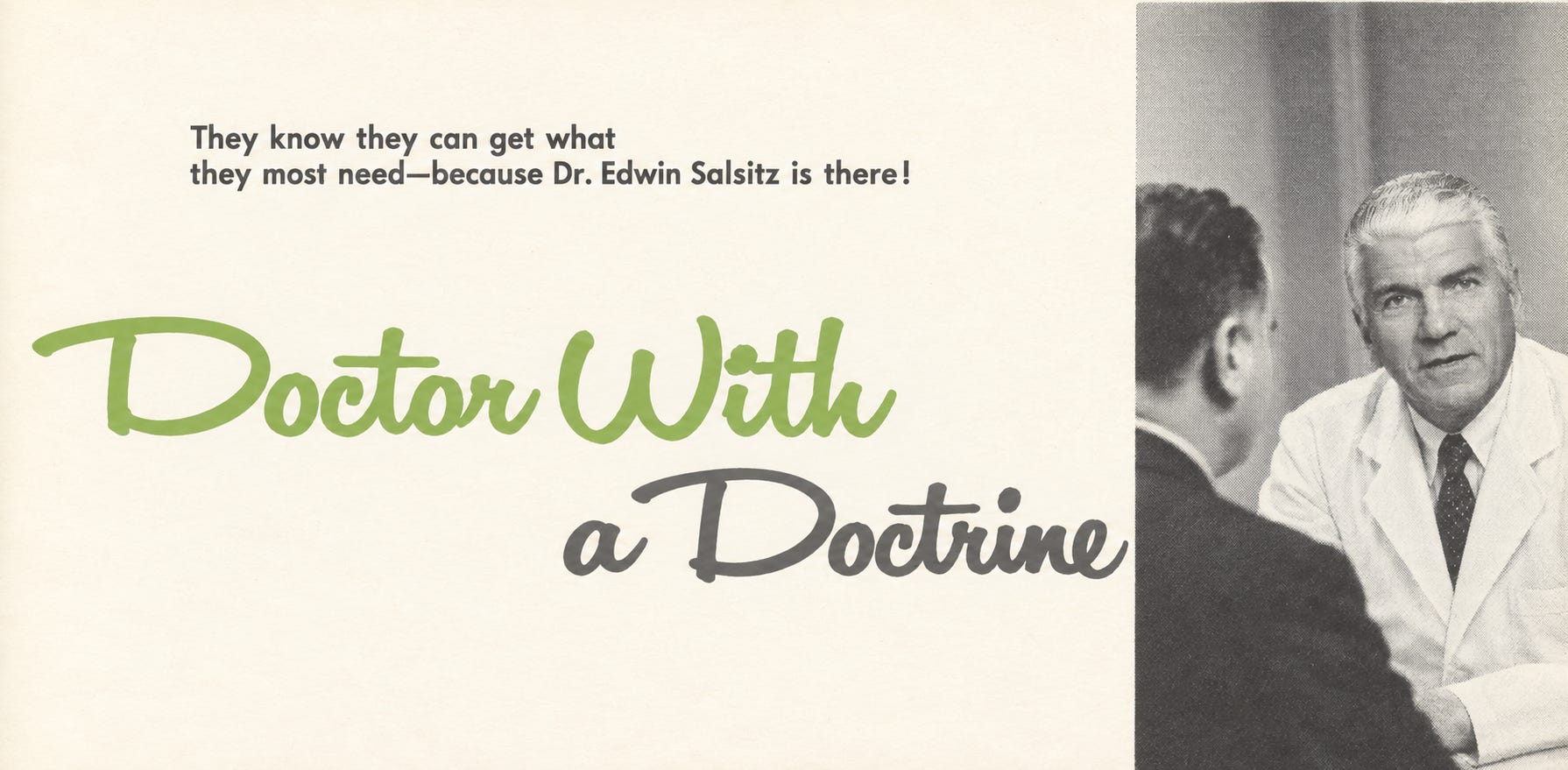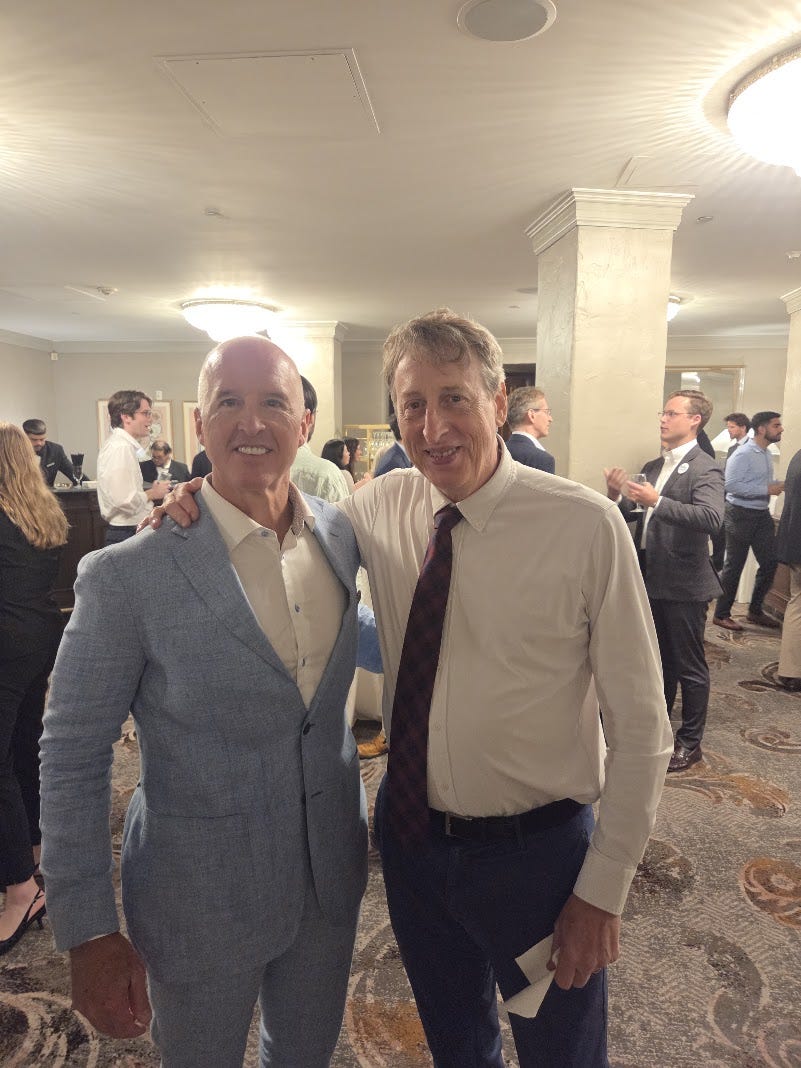

Alessandro Loiola, MD, spent nearly two decades in emergency medicine in Brazil before COVID placed him inside a different kind of emergency. He volunteered for respiratory care when colleagues feared infection and described the physician’s first obligation in elemental terms: “As medical practitioners, we are obligated to keep calm in the middle of the mightiest storm.” The sick man needs judgment, proportion, and action rather than his doctor’s panic.
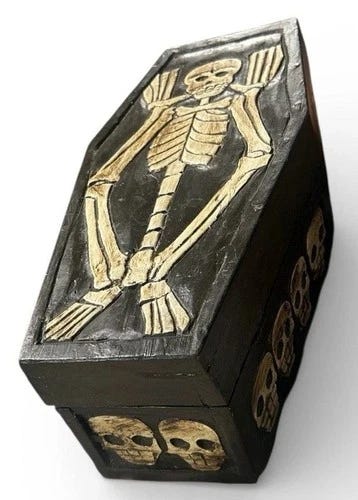
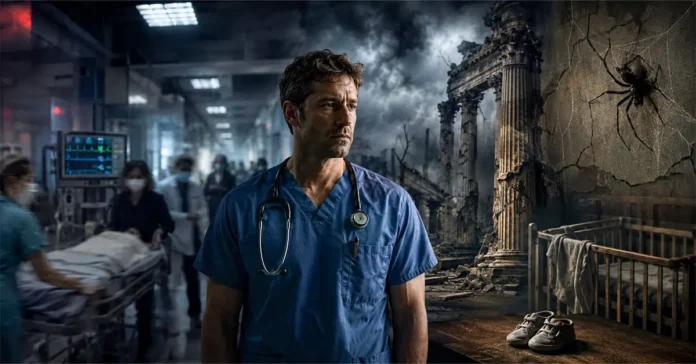
“Every crisis is a spider on the wall.” Natural or fabricated, a crisis can redirect attention from what lies behind it– “the demolition of the West”.
That premise shaped Loiola’s break with Brazil’s official COVID policy. He began telling patients not to wait at home until oxygen saturation collapsed or extensive lung injury had developed. “Treat early. Don’t wait,” he said in videos that eventually cost him his position. His argument was less about one drug than about a medical habit. Hypertension is treated before the stroke; cancer is treated before terminal collapse. Why should a respiratory infection become an exception?
From there, his criticism widens. Loiola believes COVID exposed a deeper failure of institutions that demanded scientific obedience while narrowing scientific argument. He cites later studies that he says raise questions about vaccine-associated risks, then describes the hostility that followed his posting them. “It’s not medicine. It’s not a medical practice. It’s not science. It’s about who controls the narrative.” That sentence captures his central concern.
He tests the six-foot distancing rule with the coarse logic of an emergency physician. If proximity itself predicted catastrophe, he argues, overcrowded prisons in poorer countries should have produced devastation on a scale impossible to miss. They did not, in his telling, and the mismatch strengthened his suspicion of the rules. “In the name of reasonable doubt, which is the premise of scientific thought,” he says, claims should survive comparison with the world as it exists.
Loiola then makes a larger, more controversial claim. The loss of confidence in medicine, government, and public institutions is not an isolated failure; he sees it as part of what he repeatedly calls “the demolition of the West.” His image is architectural. Someone may want the land without wanting the building, so the building must come down. He sees the United States as the chief gatekeeper of Western civilization; weaken institutions, family, and fertility, and continuity begins to fail.
The demographic numbers concern him because replacement is not abstract. Brazil’s fertility rate has fallen well below the roughly 2.1 children per woman associated with long-term population replacement. “We don’t have the problem of too many people in the world, but we are going to have the problem of too few,” he says. Institutions, knowledge, customs, and obligations require heirs.
That is where medicine, demography, and culture meet. Loiola argues that the public-health crisis damaged one pillar, institutional confidence, while falling fertility damages another. “It’s our duty to give that to the next generation,” he says of the relative freedom inherited in the West. “And we are failing miserably in this duty.” His concern is not merely numerical. A civilization that cannot reproduce itself biologically or culturally cannot assume survival.
He gives the problem a memorable image. During an earlier interview, he interrupted his host to point out a spider on the wall. The host turned, searched, and immediately lost the thread of the subject. “Every crisis is a spider on the wall,” Loiola says. Natural or fabricated, a crisis can redirect attention from what lies behind it.
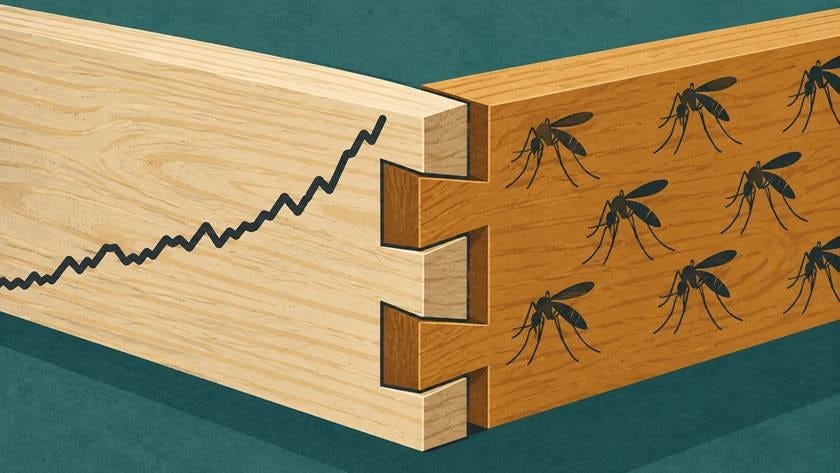
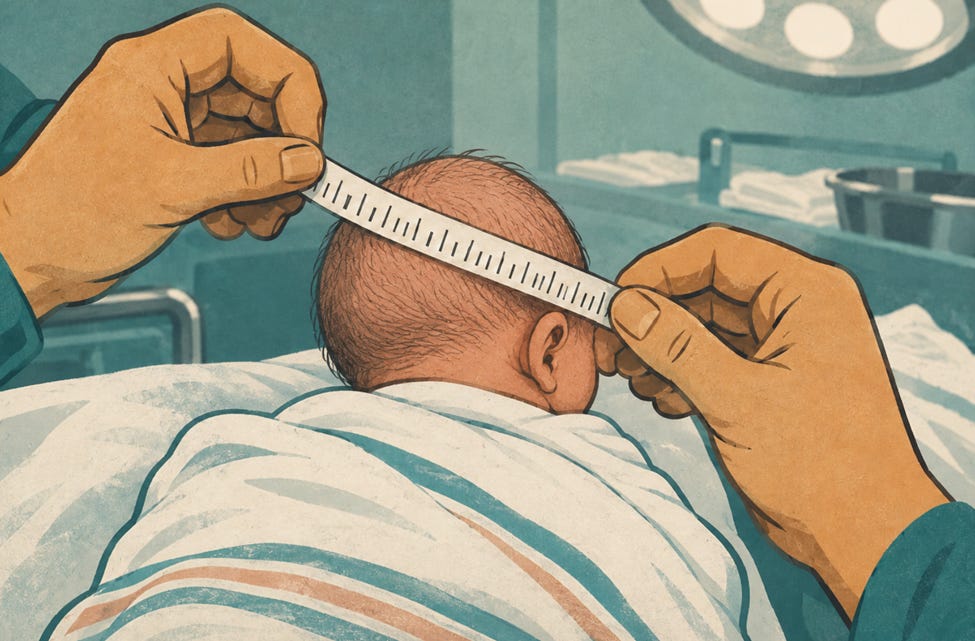
Brazil gives the argument sharper edges. Loiola says he must avoid certain political statements because he does not regard speech protections there as secure. When the subject turns to Zika*, I describe how the microcephaly panic became a vehicle for abortion politics and calls for delayed pregnancy across parts of Latin America. The feared congenital epidemic did not recur as predicted; the response nevertheless coincided with fewer births during an already deep fertility decline.
Loiola closes where he began, with the duty to look at what is in front of you. Medicine requires observation before ideology, and science requires the freedom to say that the emperor has no clothes. “The truth is the truth. No matter what.” His spider remains on the wall because distraction works only while the observer keeps looking away.
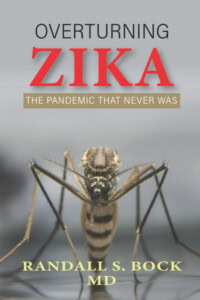
Overturning Zika: The Pandemic That Never Was
“Thirst was made for water; inquiry for truth.” C.S. Lewis To Caesar’s “I came, I saw, I conquered,” Zika might add, “I disappeared, – but nobody noticed,“… until now. Overturning…
Discover more from Randy Bock MD PC
Subscribe to get the latest posts sent to your email.