
“The Jolly Heretic” argues that the same traits that bring instability to private life can produce genius, political influence, and cultural power.
Professor Edward Dutton (The Jolly Heretic) has written a dangerous sort of book. Borderline Genius, Borderline Insane asks whether women with borderline personality disorder have exerted an influence on history far beyond their small share of the population. Dutton, an anthropologist known online as the Jolly Heretic, studies queens, writers, political campaigners, mistresses, and modern celebrities. He finds the same traits recurring: unstable identity, violent changes of mood, fear of abandonment, narcissism, emotional intensity, and a recurrent approach to psychosis.
His starting point was psychiatrist Felix Post’s study of 291 eminent men. Post found that many had subclinical psychiatric traits, including depression, narcissism, psychopathy, and Machiavellianism. The pattern appeared strongest among artists. Their disorders remained below the clinical threshold, while their intelligence and discipline converted some antisocial traits into achievement.
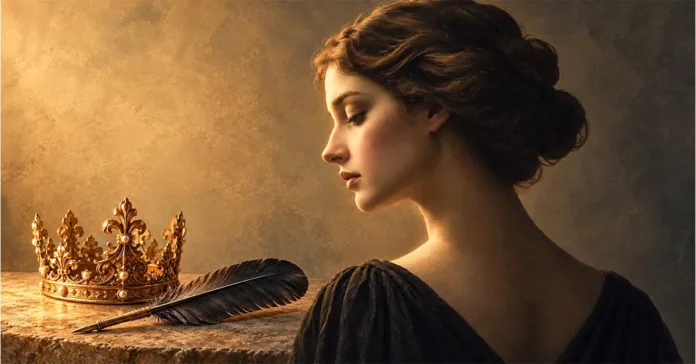
Post did not produce a corresponding study of eminent women. Dutton decided to attempt one. He used Charles Murray’s Human Accomplishment to identify prominent women in the English-speaking world, then examined their biographies against the nine diagnostic criteria for borderline personality disorder. More than half appeared to meet at least five criteria, he reports. The names included Virginia Woolf, Charlotte Brontë, Emily Brontë, and Katherine Mansfield.
Dutton does not claim that every gifted woman has borderline personality disorder. Jane Austen and Emily Dickinson did not fit the pattern, although both suffered from depression. His claim concerns statistical overrepresentation. “Some of the greatest, most intelligent, most creative, amazing women in history have been borderlines and have created amazing things.”
The method raises an obvious problem. A biographer cannot examine a dead patient; a checklist does not reproduce a clinical encounter. I have treated thousands of primary-care patients across several decades. Borderline personality often announced itself through the person’s presence, conduct, and effect upon the room. Could Dutton diagnose Jane Grey or Mary, Queen of Scots, without meeting her?
He concedes the danger, although he argues that detailed biographies sometimes contain more behavioral evidence than a psychiatrist acquires during several office visits. Mary, Queen of Scots emerged as his most extreme historical case. Elizabeth I, Mary I, and Jane Grey also met his threshold. Other women whom he examined did not.
The word “borderline” originally placed the disorder along the border between neurosis and psychosis. The patient may understand reality during one period, then enter a paranoid construction under stress. She may idealize a man as her rescuer, psychological anchor, and “favorite person.” A minor disappointment can reverse the judgment. The savior becomes an enemy; devotion turns into accusation.
The same instability can nourish art. A fractured identity permits a writer to assume different selves. Emotional extremes supply material that demands expression. Emptiness seeks form; anger supplies force. Dutton believes these traits help explain the prevalence of borderline features among poets, novelists, actresses, and other performers.
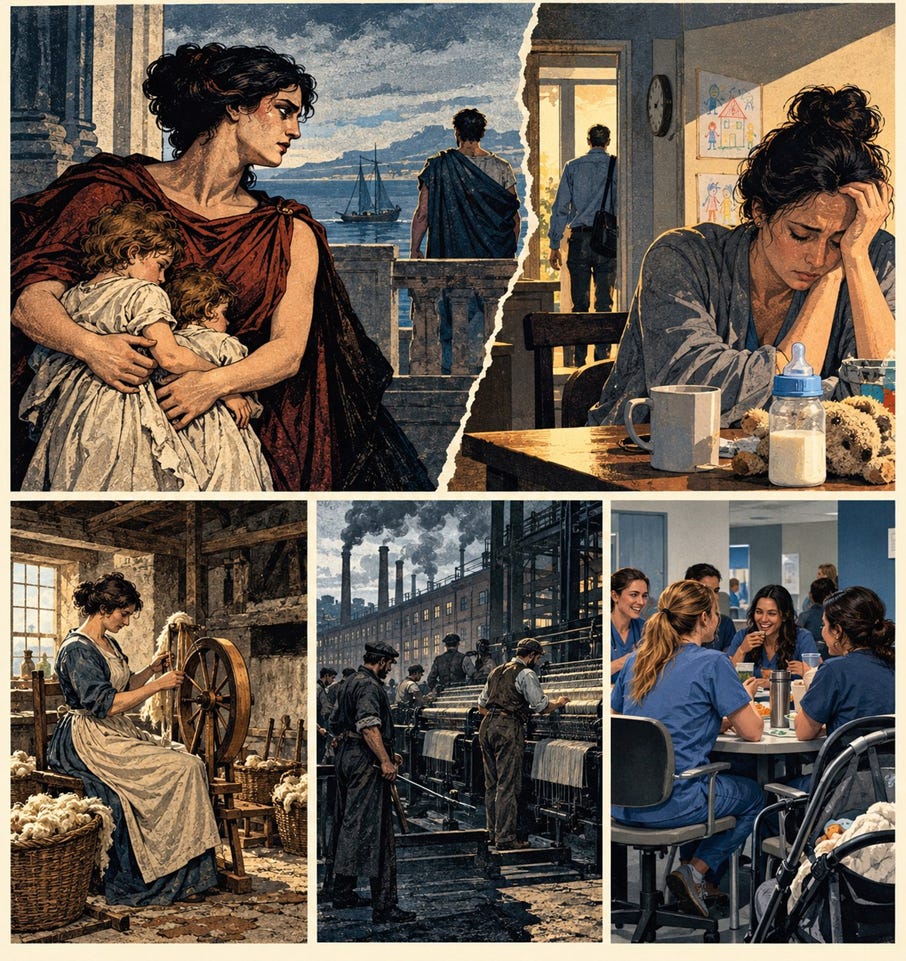
His evolutionary theory extends the argument. Successful men often combine high intelligence with moderate narcissism or ruthlessness. Such men may choose emotionally intense women who are beautiful, admiring, and socially daring. The woman receives status, protection, and resources; the man receives attention and what psychologists call narcissistic supply. “What you find is that they are attracted to each other because they’re both narcissistic.” The arrangement begins with intensity and often ends with devaluation, conflict, or what Dutton calls a trauma bond.
Modern culture has widened the stage. Social media rewards emotional display, abrupt conversion, grievance, sexual revelation, and public collapse. Conduct once dismissed as attention-seeking can now produce an audience. “You can become an e-celeb very easily, I suggest, if you’re a borderline.” Women without the disorder may imitate the style because the performance draws notice and signals sincerity.
Dutton also argues that looser social discipline permits freer expression of unstable traits. Earlier societies imposed firm expectations regarding marriage, religion, family, and public conduct. Those structures could be harsh, but they demanded emotional control. The present culture treats self-expression as a good in itself. “It means you’re interesting. It means you’re important. It means you’re someone.”
His argument becomes severe when it reaches criminal responsibility. Dutton examines Lindsay Clancy, the Massachusetts mother accused of killing her three children. He rejects the easy assumption that extreme violence must prove psychosis. Mental illness may explain an act without making its victims less dead or the actor safe. “These people can’t walk among us. That’s it, ever.”
Dutton’s book is partly history and partly a field guide. Borderline traits can produce beauty, intellectual excitement, and creative force. They can also bring manipulation, betrayal, rage, and destruction. His conclusion offers no mythical solution. “There is no female unicorn. You have to make trade-offs.”
Discover more from Randy Bock MD PC
Subscribe to get the latest posts sent to your email.