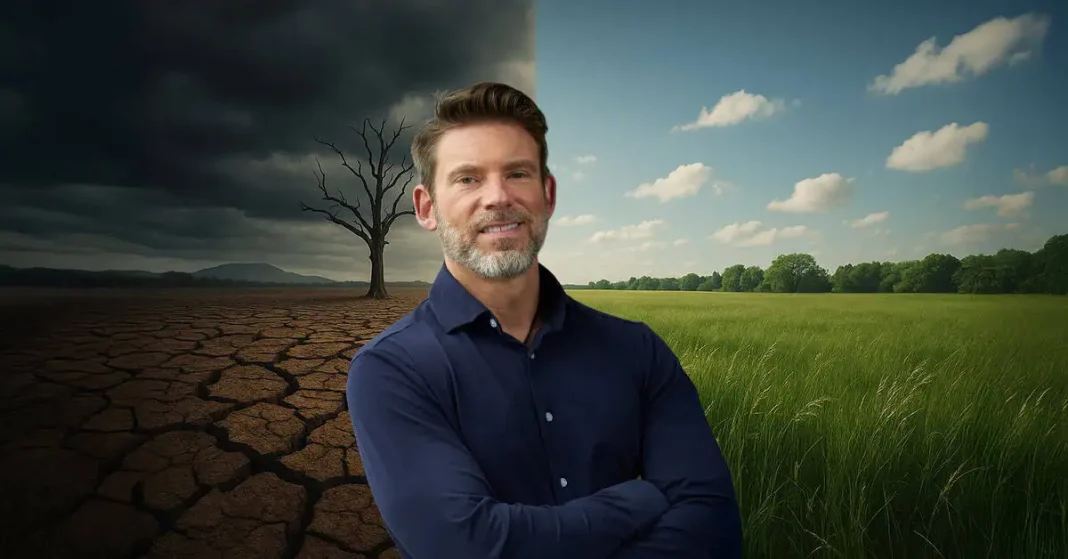


Modern psychiatry promises relief from human suffering. Yet, according to psychologist Roger McFillin, it has delivered the opposite. Instead of helping people heal, psychiatry has transformed everyday struggles into diseases and handed out drugs that often make people worse. His message is radical but simple: numbing emotions is not healing—it is betrayal.
Table of contents
The Rise of Psychiatric Drugs
It’s hard to overstate just how medicated our society has become. One in four Americans now takes a psychiatric drug, most commonly antidepressants. What was once considered rare—clinical depression affecting less than one percent of people at any given time—has ballooned. Today, up to thirty percent identify as depressed.
If these drugs were truly effective, shouldn’t the rates be declining? Instead, depression, anxiety, and suicide continue to climb.
The Illusion of Relief
McFillin calls SSRIs “mitochondrial poison.” The drugs don’t restore balance or correct brain chemistry; instead, they dull human experience. Highs and lows alike are blunted, leaving people in a flat, gray zone. The lie, he argues, is that feeling less means feeling better. In reality, emotions—good or bad—are what guide us through life. Remove them, and you remove our compass.
Grief as a Test Case
Take grief, for example. McFillin insists that grief is not an illness but love expressed through pain. To medicate grief is to rob a person of the very process that helps them heal. “Drugging grief should be a crime against humanity,” he says. Without grief, the map of recovery is lost. Pain is the teacher, and avoiding it means avoiding the very growth that loss demands.
The Cultural Cost of Numbing
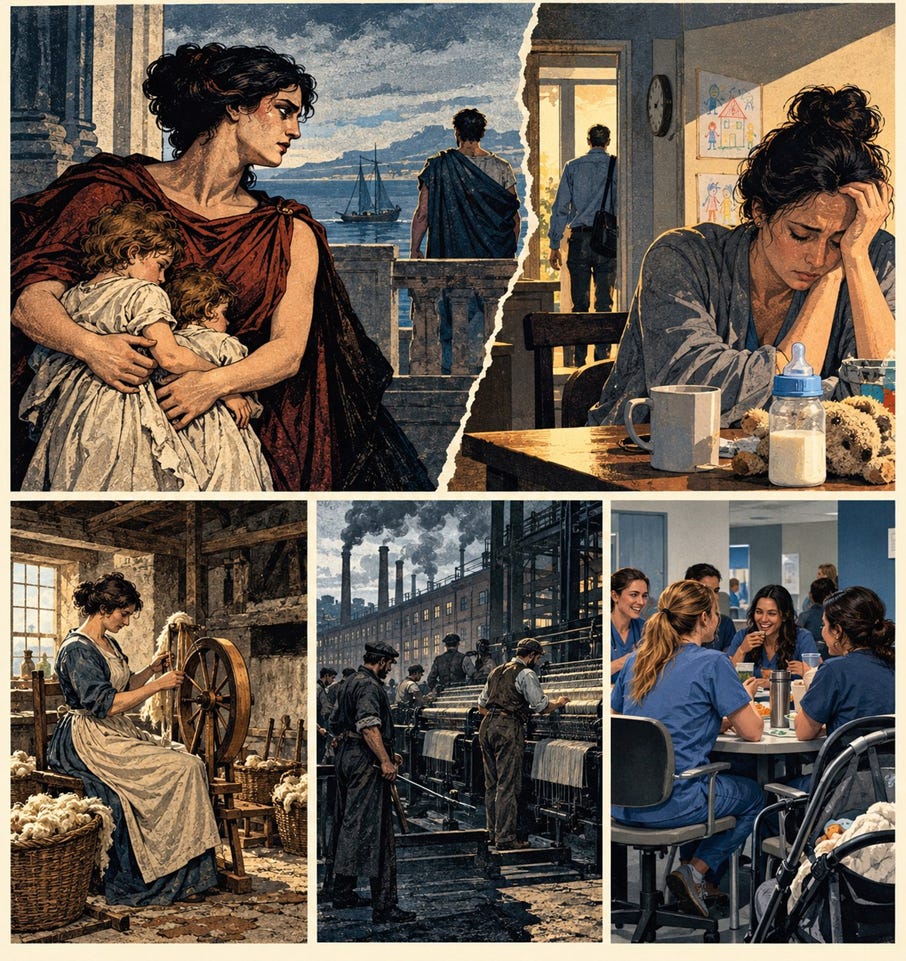
The problem extends beyond antidepressants. Women on birth control often describe emotional flattening, feeling less alive. Children and adults alike spend endless hours on screens, overstimulated yet disconnected. Boredom has become intolerable, and genuine connection has faded. McFillin sees this as part of a cultural sickness: the further we drift from nature, the sicker we become.
A Society in Decline
Families struggle to survive on two incomes, young adults drown in debt, and processed food replaces real nourishment. To fill the void, we turn to distractions—pornography, Netflix, endless scrolling. These cheap pleasures mask the emptiness but never resolve it. The result is a society that is demoralized, anxious, and perpetually numbed.
Trauma, Eating Disorders, and Misunderstood Pain
In McFillin’s practice, pain shows up in many forms: PTSD, trauma, eating disorders. Anorexia, for example, often emerges after a stressful event. It echoes an ancient survival mechanism—shutting down appetite in times of famine. These reactions are adaptive, not meaningless. But when misunderstood and pathologized, they spiral out of control.
For McFillin, the truth is clear: pain is not the enemy—it’s the messenger.
Lessons From the Past
Before psychiatric drugs became widespread, recovery rates looked very different. In the 1950s, most people with manic depression recovered after a single episode and went on to live full lives. Today, endless drug cocktails ensure relapse and disability.
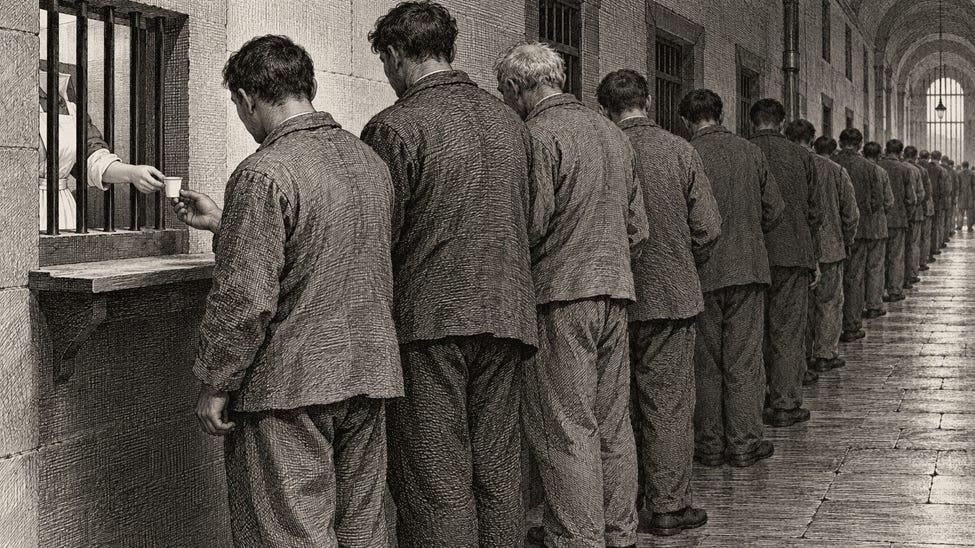
The contrast between past and present is striking: soteria houses, where patients lived in supportive communities close to nature, often fostered recovery. Today’s psychiatric hospitals, McFillin argues, resemble prisons—locking patients away, sedating them, and branding them with diagnoses that follow them for life.
ADHD and the Culture of Diagnosis
Labels can wound. ADHD, once rare, is now an identity. People describe themselves as “ADHD people,” filtering every setback through the label. But McFillin points out that children who cannot sit still in classrooms can often focus for hours on video games. The issue may not be their brains but the rigid definition of what “normal” attention looks like.
The Gender Question
Perhaps McFillin’s most controversial claim is that gender dysphoria has become a social contagion. He sees adolescents—already vulnerable—being swept into identity confusion by cultural forces. In his view, this destabilizes not just individuals but society as a whole.
The Deeper Problem
Across all these issues runs a common theme: we have become fragile in the face of suffering. Where once humans endured, adapted, and recovered, we now label, medicate, and numb. Psychiatry has betrayed its mission by turning human struggle into chronic illness.
Returning to What Heals
McFillin’s vision is not about rejecting suffering but embracing it. He calls for a return to what has always healed us—connection to nature, community, and meaning. The body has its own wisdom, its own homeostasis. If we allow suffering to run its course, we can emerge stronger. As he says: “If you prevent people from their darkness, you also prevent them from their light.”
Conclusion
Roger McFillin’s critique is not easy to hear. It challenges the very foundation of modern psychiatry. Yet, his message is also hopeful: emotions, even the painful ones, are not problems to be solved but teachers to be honored. Grief, trauma, sadness—all are part of the human map toward healing. To numb them is to lose ourselves. To feel them is to find our way back to life.
FAQs
1. Why does Roger McFillin call SSRIs “mitochondrial poison”?
Because he believes they interfere with the body’s natural energy systems, dulling emotions and creating long-term dependence instead of healing.
2. What does he mean by “the lie of numbness”?
The belief that feeling less pain means improvement. In reality, numbing emotions also numbs joy, purpose, and the ability to heal.
3. Is grief really a form of love?
Yes. McFillin views grief as love transformed—an ache that honors what was lost and guides us toward recovery.
4. How does modern culture contribute to emotional distress?
From screen addiction and economic pressures to processed food and disconnection from nature, today’s culture weakens resilience and deepens despair.
5. What alternatives exist outside of psychiatric drugs?
McFillin emphasizes community, nature, lifestyle changes, and allowing emotions to guide growth, rather than numbing them with medication.
Discover more from Randy Bock MD PC
Subscribe to get the latest posts sent to your email.