

The Rat Park experiment addiction study by Bruce Alexander challenged everything we thought we knew about drug addiction.
In the 1950s, a twelve-year-old boy named Bruce Alexander read a Batman comic that would haunt him for decades. In it, criminals mercilessly beat a “junkie” while Batman stood by, waiting to catch them committing a more serious crime. When young Alexander asked his father why the hero allowed this brutality, his father delivered a chilling answer that reflected society’s prevailing belief: “A junkie is someone who no longer has a soul. They have taken this drug and their mind is completely gone.”
This false belief—that addiction treatment begins with understanding that drugs chemically enslave people and destroy their souls—wasn’t just his father’s opinion. It was accepted scientific fact. Or so everyone thought.
Decades later, Dr. Bruce Alexander would conduct an experiment so simple, yet so revolutionary, that it would challenge the very foundation of how we understand drug addiction causes and addiction recovery. That experiment became known as Rat Park.
Table of Contents
The Science That “Proved” Addiction Was a Chemical Possession
In the 1970s, when Alexander completed graduate school, the scientific community had what they considered ironclad proof of addiction’s nature. Researchers placed rats in Skinner boxes—small, solitary cages—where the animals could press a lever to inject heroin directly into their veins through an indwelling catheter.
The results seemed definitive. Isolated rats would compulsively press the lever, administering heroin until they overdosed or died of starvation. These experiments appeared to confirm society’s darkest assumptions: drugs inherently possess the power to completely override free will and rational thought.
“The white rat was considered a model of a model human being,” Alexander explains. “This was the era of behaviorism, and everyone believed this proved the false fact that drugs just take your mind away, take your soul away.”
But Alexander noticed something the other researchers had overlooked—something so obvious it’s astonishing no one had questioned it before.
Rat Park Experiment: Why the Cage Creates Addiction
Rats are communal species. They’re highly social animals that live in colonies and are never, ever alone in nature. The famous addiction experiments weren’t testing the addictive power of drugs at all—they were testing the effects of solitary confinement.
Research has increasingly shown that social isolation and loneliness serve as both catalysts and consequences within the cycle of substance abuse disorder. When individuals experience severe social disconnection, they often turn to drugs as coping mechanisms to manage feelings of emptiness.
This realization led Alexander and his colleagues to create Rat Park—a spacious environment where rats could socialize, play, mate, and live as they would naturally. It wasn’t sophisticated; they simply provided a larger space with objects for exploration and companionship for the animals.
Then they offered these socially integrated rats the same choice: morphine solution or plain water.
Rat Park Experiment Results: What It Proved About Addiction
The findings were stark and undeniable. The isolated rats in cages consumed the morphine compulsively, just as previous experiments had shown. But the rats in Rat Park? They avoided it. When they did occasionally drink from the drug-laced bottle, they did so intermittently, not obsessively, and never overdosed.
The experiment demonstrated that drug addiction treatment needed to focus not just on the substance, but on the environment and social connections of the individual. Neither rats nor humans, Alexander discovered, have much use for heroin when they’re socially integrated with fulfilling lives.
“If they have a happy social and personal and individual life, they’re not going to do it,” Alexander states simply.
Yet despite this revolutionary finding, the scientific community largely ignored Rat Park. “Nobody believed us,” Alexander recalls, “because the weight of public opinion is very heavy.”
Why the Truth About Addiction Recovery Matters Today
More than fifty years after the Rat Park experiment, the bidirectional relationship between social isolation and addiction creates a cycle where isolation promotes substance use, and substance dependence deepens social disconnection.
The COVID-19 pandemic dramatically highlighted this connection. Social distancing measures disrupted support networks vital for addiction recovery, causing increased relapse rates and deeper struggles for those battling substance abuse disorder.
Understanding that environment drives addiction—not chemical possession—transforms how we approach drug addiction treatment:
Traditional Model: Addiction is a disease where drugs chemically enslave the user, removing their free will and destroying their soul. Treatment focuses primarily on removing the substance and maintaining abstinence through willpower.
Rat Park Model: Addiction is a response to isolation, trauma, and lack of meaningful connection. Social isolation and addiction are intertwined, and treatment must address the underlying emptiness that drives substance use. Recovery requires building fulfilling alternatives—work, relationships, purpose, and community.
The Modern Evidence: Social Connection as Addiction Treatment
Contemporary research has validated Alexander’s findings. Animal studies reinforce these findings, with experiments showing that social connection acts as a protective barrier against drug-seeking behavior, as animals enriched with social interactions show significantly reduced tendencies for addictive behaviors compared to isolated counterparts.
In humans, the data is equally compelling. Loneliness and lack of social contact increase the likelihood of developing substance abuse disorder. Many people turn to drugs and alcohol as coping mechanisms for feelings of isolation, seeking temporary relief or security.
Conversely, individuals with strong social support networks, meaningful employment, and community connections show dramatically lower rates of both addiction initiation and relapse. The opposite of addiction, as journalist Johann Hari famously noted after learning about Rat Park, isn’t sobriety—it’s human connection.
Building Your Own Rat Park: Practical Steps for Addiction Recovery
If social isolation drives substance abuse disorder, then building social connection becomes the foundation of effective drug addiction treatment. Here’s how to create your own “Rat Park”:
Foster Meaningful Relationships: Prioritize quality time with family and friends. Research shows strong support systems reduce depression risk and support addiction recovery.
Find Purpose Through Work: Employment provides more than income—it offers social interaction, daily structure, and a sense of accomplishment. Even simple jobs create opportunities for connection and contribution.
Join Support Communities: Creating connections with others serves as a protective factor in preventing substance abuse as well as in maintaining recovery from addiction. Groups like Alcoholics Anonymous, SMART Recovery, and other peer support programs provide the social integration that prevents relapse.
Address Mental Health: Depression, anxiety, PTSD, and other mental health conditions often accompany social isolation and addiction. Treating these co-occurring disorders is essential for lasting recovery.
Reduce Shame and Stigma: The belief that addicts are “soulless” creates barriers to seeking help and damages self-worth. Understanding addiction as a response to pain rather than a moral failing opens pathways to healing.
The Uncomfortable Truth About Addiction Treatment Systems
Alexander’s work raises challenging questions about modern addiction treatment. If connection and purpose prevent addiction more effectively than abstinence-focused interventions alone, why do many treatment systems ignore this evidence?
Part of the answer lies in what Alexander discovered through his clinical work with young men on methadone programs. These individuals often lacked education, family support, skills, and future prospects. Being a “junkie” gave them an identity and community when society offered them nothing else.
“They were proud of that,” Alexander notes. “They hadn’t lost their souls at all. They were just desperate people looking for an identity, looking for a place in the world.”
This insight reveals both the problem and the solution. Effective drug addiction causes aren’t primarily chemical—they’re social, economic, and psychological. Effective addiction treatment must address these root causes, not just manage symptoms.
What Rat Park Teaches Us About Human Nature
The Rat Park experiment offers a profound lesson about human resilience and vulnerability. We are hardwired for connection. When that fundamental need goes unmet—through trauma, poverty, isolation, or systemic exclusion—we seek substitutes. For some, that substitute becomes substances.
But the experiment also reveals our capacity for recovery. Just as rats in enriched environments rejected drugs they’d previously craved, humans in supportive, purposeful environments can rebuild lives free from substance dependence.
Strengthening social support networks and addressing feelings of loneliness are vital components in reducing addiction risk and supporting recovery. This isn’t merely psychological theory—it’s biological reality grounded in how our brains respond to social connection and isolation.
The Path Forward: Reimagining Addiction Treatment
More than fifty years after Rat Park, we’re finally beginning to embrace its lessons. Modern addiction recovery increasingly recognizes that:
- Social integration matters as much as medical intervention
- Meaningful work and purpose prevent relapse
- Addressing trauma and mental health is essential
- Community support outperforms isolated willpower
- Reducing stigma saves lives
Yet challenges remain. As Alexander notes, many in positions of power—including political leaders—still operate on the old “soulless addict” model. Changing deeply entrenched beliefs takes time, evidence, and persistent advocacy.
Your Role in the Solution
Whether you’re struggling with substance abuse disorder, supporting a loved one in addiction recovery, or simply seeking to understand this crisis, Rat Park offers actionable wisdom:
If you’re in recovery: Build your park. Prioritize relationships, find meaningful work, engage with supportive communities, and address underlying pain. Connection is your greatest protective factor.
If you’re supporting someone: Reduce shame, offer consistent connection, and help create pathways to purpose. Remember that social isolation and addiction feed each other—your presence matters.
If you’re a professional: Incorporate social support and community building into drug addiction treatment protocols. Evidence-based care must address the whole person, not just the substance.
If you’re a community member: Advocate for systems that reduce isolation—accessible mental health care, employment programs, affordable housing, and stigma reduction initiatives. Social problems require social solutions.
Conclusion: The Cage or the Park
Bruce Alexander’s Rat Park experiment proved something revolutionary yet intuitive: the cage creates the desperation, and the drug is only the symptom. Fifty years later, this truth remains both scientifically validated and culturally resisted.
But the evidence is clear. Humans, not just rats, need to be part of a community, encouraged to relate and experience the support of others—this is about as basic a psychological truth as exists.
We face a choice in how we address the ongoing crisis of drug addiction causes and addiction treatment. We can continue operating on the false myth that substances chemically enslave soulless victims who need only abstinence and willpower. Or we can embrace the uncomfortable truth that addiction flourishes in isolation and withers in connection.
The rats in Alexander’s experiment showed us the way. Now it’s time for human society to build our own parks—communities where everyone has access to connection, purpose, and belonging. That’s not just good addiction recovery strategy. It’s the foundation of a humane society.
FAQs
1. What is the Rat Park experiment?
The Rat Park experiment was a study conducted by psychologist Bruce Alexander in the 1970s. It showed that addiction is strongly influenced by environment. Rats placed in social, enriched environments avoided drugs, while isolated rats consumed them heavily.
2. What did the Rat Park experiment prove about addiction?
The Rat Park experiment proved that addiction is not caused by drugs alone. Instead, social isolation and environment play a major role in addiction. This challenged the traditional belief that drugs chemically enslave users.
3. Does social isolation cause addiction?
Yes, research including the Rat Park experiment shows that social isolation significantly increases the risk of addiction. People who lack connection, purpose, and support are more likely to turn to substances as a coping mechanism.
4. How does social connection help addiction recovery?
Social connection improves addiction recovery by reducing loneliness, increasing emotional support, and providing a sense of purpose. Strong relationships and community involvement are key factors in preventing relapse.
5. What is the Rat Park theory of addiction?
The Rat Park theory of addiction suggests that addiction is a response to environment rather than just chemical dependency. When individuals live in supportive, meaningful environments, they are far less likely to develop addictive behaviors.
6. Why did isolated rats consume more drugs?
Isolated rats consumed more drugs because they were under stress and lacked stimulation. The absence of social interaction and environmental enrichment led them to seek relief through substances.
7. Is addiction a disease or a social problem?
Addiction can be both, but the Rat Park experiment highlights that it is largely influenced by social and environmental factors. This means effective treatment must address more than just the physical aspects of addiction.
8. How can the Rat Park experiment be applied to humans?
The lessons from the Rat Park experiment apply to humans by emphasizing the importance of:
– Building strong relationships
– Creating meaningful work and purpose
– Reducing isolation
– Supporting mental health
These factors help prevent addiction and support recovery.
9. What are the main causes of addiction according to Rat Park?
According to the Rat Park experiment, the main causes of addiction include:
– Social isolation
– Lack of purpose
– Trauma and stress
– Disconnection from community
10. What is the opposite of addiction according to Rat Park?
Based on the Rat Park findings, the opposite of addiction is human connection. Strong social bonds and meaningful relationships reduce the need for substances.
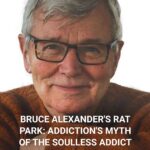
About Dr. Bruce Alexander: Dr. Bruce Alexander is a retired professor of psychology whose groundbreaking Rat Park experiments in the 1970s revolutionized our understanding of addiction. He continues to advocate for social approaches to substance abuse disorder treatment and has authored extensively on the societal roots of addiction.
Resources for Help:
- SAMHSA National Helpline: 1-800-662-HELP (4357)
- Alcoholics Anonymous: www.aa.org
- SMART Recovery: www.smartrecovery.org
- National Institute on Drug Abuse: www.drugabuse.gov
Discover more from Randy Bock MD PC
Subscribe to get the latest posts sent to your email.