
Susan Patton entered the public arena by stating something that once would have been unremarkable: young women who want marriage and children should plan for them early. Writing to Princeton undergraduates in 2013, she argued that college offered a unique and fleeting concentration of suitable partners, and that postponing personal life in favor of professional optimization carried irreversible costs.
“Find yourself a husband before you graduate,” she wrote. The reaction was volcanic. Societies often behave like religions, deciding which doctrines are sacred and which speakers must be excommunicated. Patton became one of those designated heretics. “It was seen as an abomination,” she recalled, “that I was encouraging smart women to plan for something other than professional success.”
Patton insists she was not attacking women’s ambition but applying a basic principle of balance. “You have to plan your personal happiness with the same commitment and dedication that you plan your professional success,” she said. “In fact, more so.” Careers can pause and resume. Fertility and family formation cannot.
When societies lose agreement about basic terms — truth, harm, responsibility — adjudication gives way to accusation. What had once been advice was reframed as sabotage; prudence was rebranded as cruelty. Patton recognized the pattern immediately. The attacks were relentless, and what unsettled her most was not their intensity but their provenance. “It wasn’t stupid people,” she said. “It was smart people acting stupidly.”
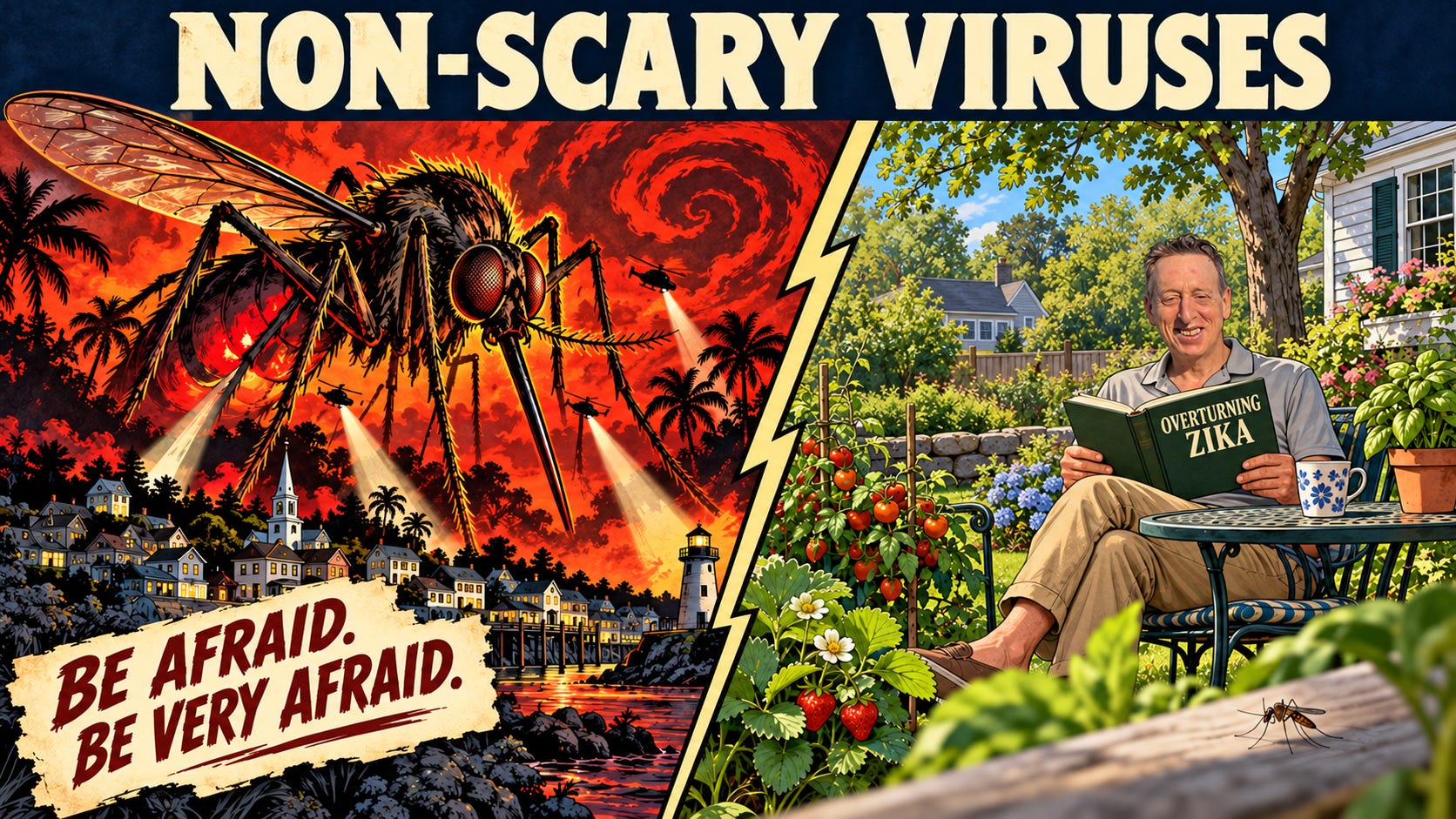
That same inversion, I argued, has played out across elite campuses. I raised the 2015 Yale incident involving Nicholas Christakis and his wife, Erika, whose mild defense of Halloween costumes triggered a Maoist-style struggle session. The offense was not bigotry but normalcy. Costumes were treated as moral violations, humor as violence. (please see my “Nicholas Christakis, Zika, and the Possibility of Scientific Dialogue“)
Patton saw immediate parallels. “It felt very familiar,” she said. “I had just lived through it.” She reached out privately to Christakis, not to debate policy but to offer solidarity. She understood how quickly institutions turn on those who refuse ideological scripts.
From there, the conversation widened. I described how campus processes now resemble kangaroo courts rather than systems of review, lacking any equivalent of evidentiary standards or appeal. In athletics, rules are debated, reviewed, and replayed. In university tribunals, accusations often suffice.
Patton pointed out that even federal agencies have contributed to definitional collapse. She cited CDC-era guidance that blurred coercion, regret, and disappointment into a single category of assault. The result, she argued, mirrors what we saw during COVID: counting cases without distinguishing cause, inflating fear while dissolving meaning.
“Perception of truth matters,” I said, drawing on Cicero’s On Duties. Civilization depends on shared reality — on agreeing that a squirrel is a squirrel, that gravity pulls downward, that words mean what they mean. When that foundation erodes, the community itself becomes impossible.
We turned then to feminism and its discontents. I argued that many modern ideologies, feminism included, function by denying human nature in favor of abstraction. Biology becomes optional, time becomes negotiable, and consequences become oppressive constructs.
Patton agreed but clarified. “You can do both,” she said. “I did both. You just have to plan carefully.” What she rejects is the fantasy that trade-offs do not exist. “There are not enough eggs in the ovary,” I said bluntly. Fertility peaks early. Pretending otherwise is not liberation but deception.
I raised the role of contraception and abortion in reshaping incentives. Once sex was severed from consequence, men delayed commitment indefinitely while women absorbed the risk. “Sex has been rendered meaningless,” Patton said. “There used to be consequences. Now there aren’t.”
This asymmetry, I suggested, explains much of the current malaise — from hookup culture to the monetization of attention through platforms like OnlyFans. Patton questioned what such validation ultimately buys. “What does that get you?” she asked. “I don’t understand why a woman would do that.”
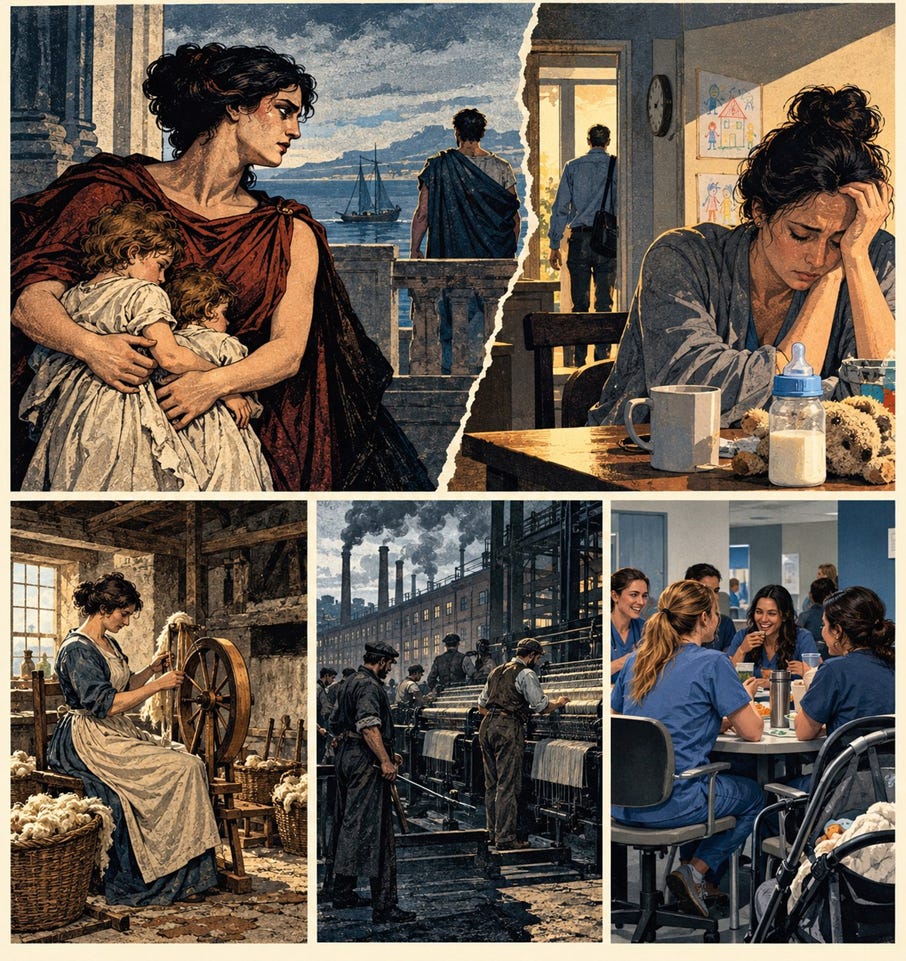
We also addressed the myth that modern families require dual incomes. Patton dismissed it. “You make different choices,” she said. “You don’t need every luxury.” I echoed the point, recalling earlier generations who raised children with far fewer resources but stronger internal worlds.
As the conversation closed, Patton expressed cautious optimism. Among younger cohorts, she sees renewed interest in marriage and family. “It feels like the vibe has shifted,” she said. Whether that shift endures remains to be seen.
Her final counsel was neither ideological nor prescriptive. “Be a little easier on yourself,” she said. “You’re going to wind up exactly where you’re supposed to be.”
It was not a manifesto but a reminder: balance matters. Truth matters. And saying obvious things in an unbalanced age will always carry a price.
Transcript Summary of this podcast episode ⤵Full Transcript (Auto-Transcribed)
The last few years exposed a truth many refuse to see: personal medical freedom and basic common sense are under siege. Institutions that once promised to safeguard truth now demand fealty to narratives and punish dissenters. I have watched bright people turn cruel when a convenient story needs enforcers.
College campuses offer a fast lesson. A sensible piece of advice about planning for family life became a moral crime. Mild counsel about Halloween costumes spiraled into a public shaming. A professor who tried to reason with students found himself surrounded and silenced. These episodes are not trivia. They show how quickly inquiry yields to ritual indignation. When facts are inconvenient, they are not debated. They are weaponized.
Public health fared no better. We borrowed the language of prisons to confine whole societies. Lockdowns became a creed rather than a tool. The path most dangerous is when a handful of technocrats claim they embody science and then remake liberty in its name. Science is a method. It is not a moral warrant to override agency or wrestle community life into cold models.
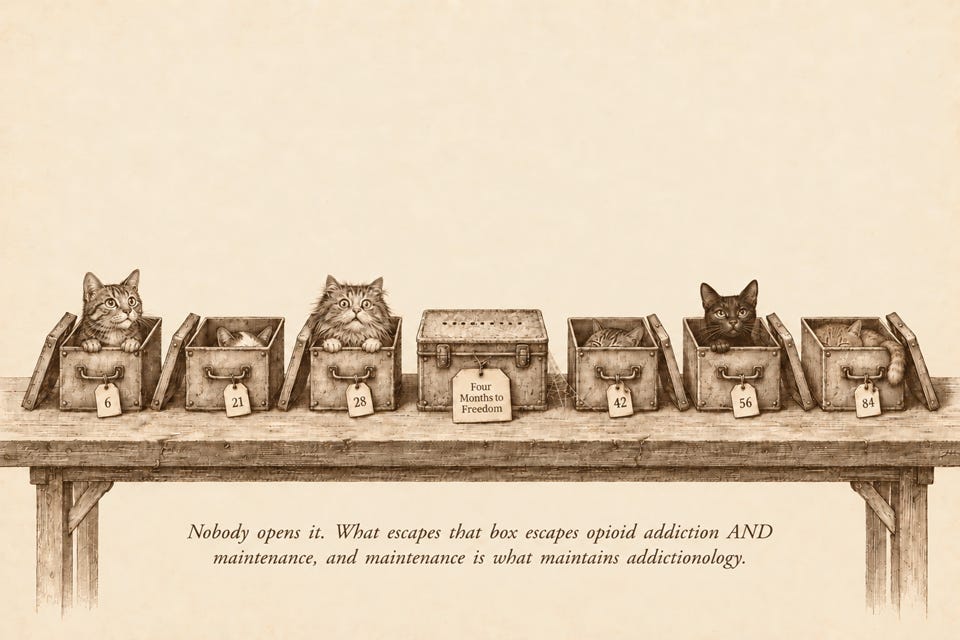
Addiction policy tells a similar story. For years, we replaced one opioid with another and called it progress. Tapering to sobriety respects the person and the trauma behind the behavior. Maintenance programs turned dependence into a permanent status. That policy choice cost lives and dignity.
Restoration begins where we still can choose. We must rebuild institutions that tolerate dissent. We must teach young people to think, not to preen. We must return medical decisions to patients and clinicians. Liberty without responsibility is brittle. Truth without the courage to face it is worse. If we want healthy communities, we must insist on honest medicine, honest debate, and the freedom to make the hard choices that make life worth living every single day.
Join us at 5 pm ET weekdays on America Out Loud Talk Radio. Listen on iHeart Radio, our world-class media player, or our free apps on Apple, Android, or Alexa. Discover all the episodes on podcast networks, i.e., Apple Podcasts, Spotify, Pandora, TuneIn, Stitcher, and iHeart. You’ll find them the day after they air on talk radio, available on podcast. Extraordinary voices for extraordinary times.
Discover more from Randy Bock MD PC
Subscribe to get the latest posts sent to your email.