
Susan Patton approaches medicine with the expectations of someone who has taken responsibility for her own health. She exercises regularly, eats carefully, maintains her weight, and sleeps adequately. Still, age asserts itself. As she put it plainly, “Every day I wake up and something else doesn’t work.” Dry eyes, aching joints, and the small indignities of movement no longer surprise her. What does surprise her is how little attention those changes receive once she enters the medical system.
For months, she has lived with persistent abdominal discomfort. When she raised it during an annual visit, the complaint was acknowledged and then dropped. No structured inquiry followed. No effort was made to understand duration, triggers, or progression. The visit simply moved on. As she later described it, “My stomach has been hurting for months and nobody followed it.”
The questions that did follow had little to do with her complaint. She was asked about self-harm, cognition, and basic mental function. None of it connected to abdominal pain. The questions arrived, were answered, and vanished without consequence. The mismatch struck her immediately. “They asked questions that had nothing to do with why I was there.”
The most jarring moment came when she was asked about suicidal ideation. The question carried no context and no visible concern. It felt procedural. Her response was blunt because the question itself felt absurd. “I have a stomachache. I don’t want to kill myself.” The visit did not adjust course.
Patton does not describe these encounters as hostile. She describes them as disengaged. The clinicians were polite. The system functioned efficiently. The chart filled properly. Still, something essential never happened. “It feels like they’re checking boxes, not thinking.”
A home visit arranged through her insurer reinforced the impression. The clinician arrived, left her coat on, and opened an electronic checklist. No physical examination took place. No vital signs were taken. No follow-up questions emerged from Patton’s answers. The visual details stayed with her because they reflected the tone of the encounter. “She never even took her coat off.”
When Patton attempted to raise a concern at the end of the visit, the interaction ended immediately. The required signature had already been captured, and with it, the purpose of the visit had been fulfilled. “Once I signed, the visit was over.” The encounter did not feel hurried. It felt complete before it began.
What troubled her most was not rudeness or incompetence, but absence. “They weren’t rude. They just weren’t interested.” The structure of care seemed to reward completion rather than engagement. Documentation mattered. Curiosity did not.
Over time, Patton adjusted. She began turning more frequently to online search tools, not because she believed them superior, but because they allowed persistence. They permitted refinement. They did not terminate the inquiry once a form was complete. As she explained it simply, “Google lets me keep asking.”
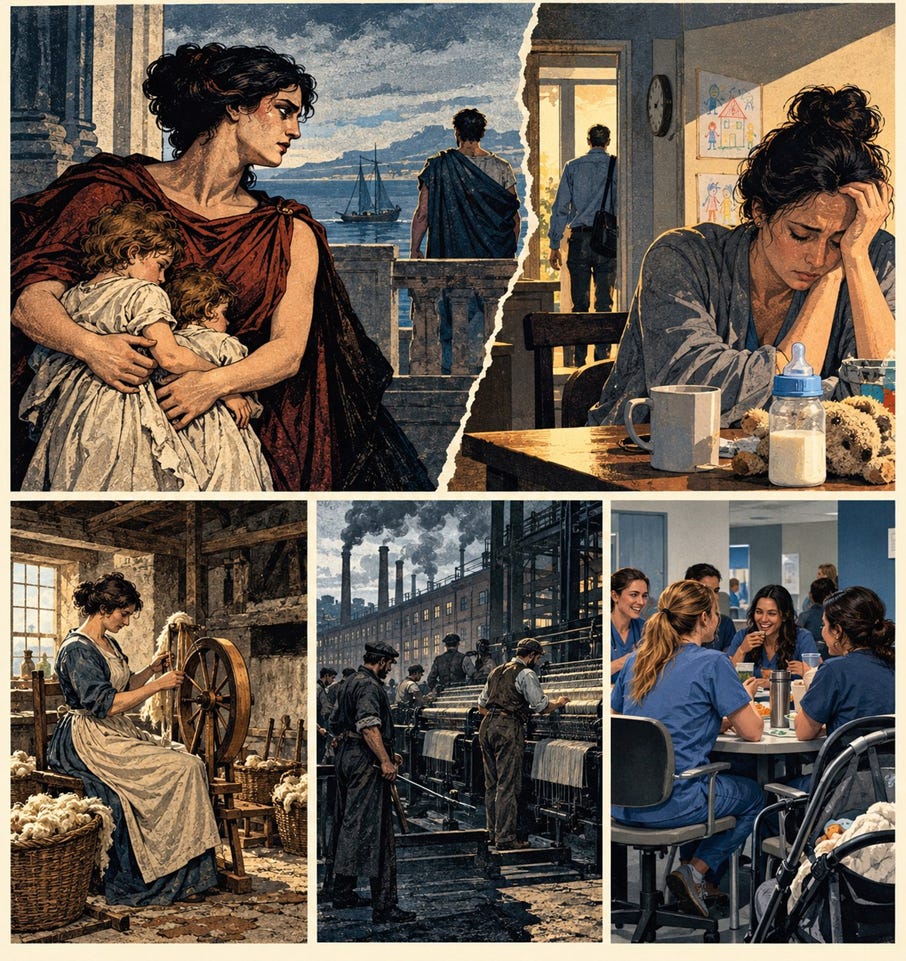
Her experience reflects a broader pattern in modern medicine. Visits have expanded in scope while narrowing in purpose. Screening and risk inventories dominate encounters. Case-finding replaces diagnosis. Patients are evaluated for many things they did not come in for, while the problem that brought them there remains untouched.
Emergency medicine offers a parallel. Survival rates have improved dramatically, not because violence has disappeared, but because intervention has accelerated. Trauma care saves lives. Overdose reversal works. The numbers improve even when underlying conditions remain unchanged. Success is measured in outcomes rather than understanding.
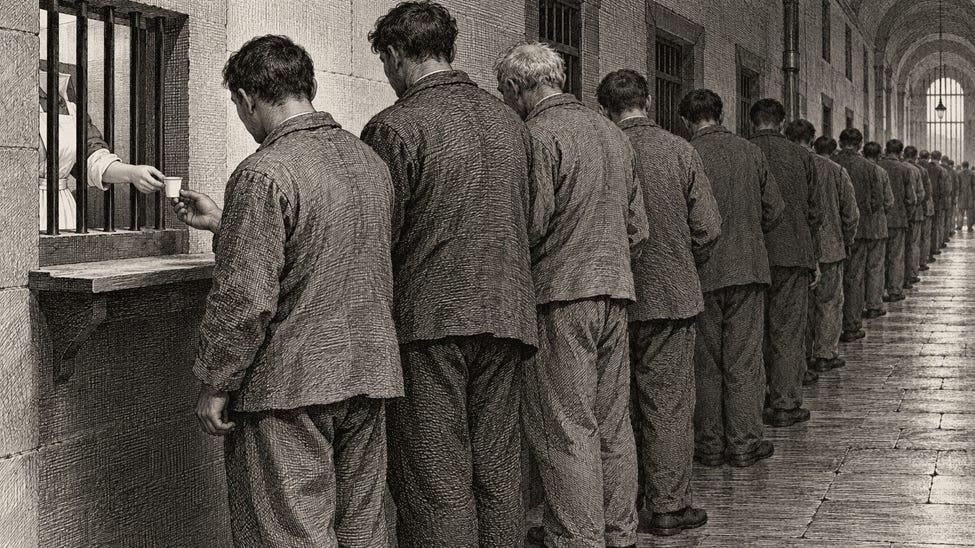
Patton observes the same dynamic in routine care. When access becomes universal, and cost disappears at the point of entry, attention fragments. Minor problems arrive alongside urgent ones. The urgent still receive care, but seriousness erodes. Efficiency replaces judgment.
She does not want spectacle. She does not ask for endless testing or dramatic reassurance. Her demand is modest and increasingly rare. “I don’t want miracles. I want attention.”
Her criticism is not nostalgic. It is practical. Medicine once treated uncertainty as inevitable and judgment as essential. Today, uncertainty is managed through protocol, and judgment is quietly displaced. The system records nearly everything. What it no longer does reliably is listen.
https://www.simonandschuster.com/authors/Susan-Patton/428525115
Transcript Summary of this podcast episode ⤵Full Transcript (Auto-Transcribed)
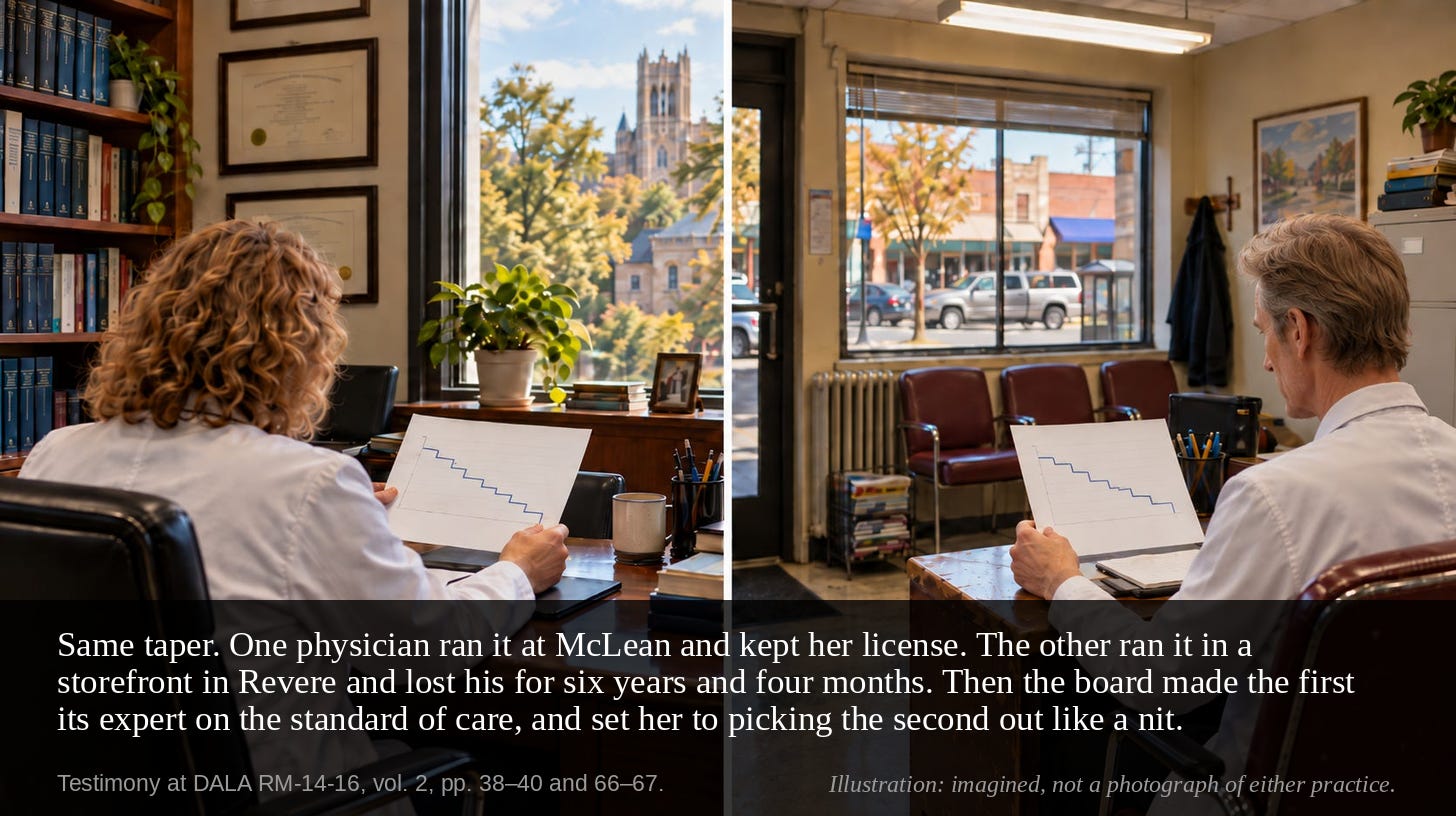
Rats in the subway and pet rats eaten by a dachshund make a useful point about fear and misplaced priorities. We fear creatures and systems without good reason. We also tolerate a health system that treats people like boxes to be ticked. As a doctor who has run a storefront practice and sat on both sides of the examination table, I see the damage.
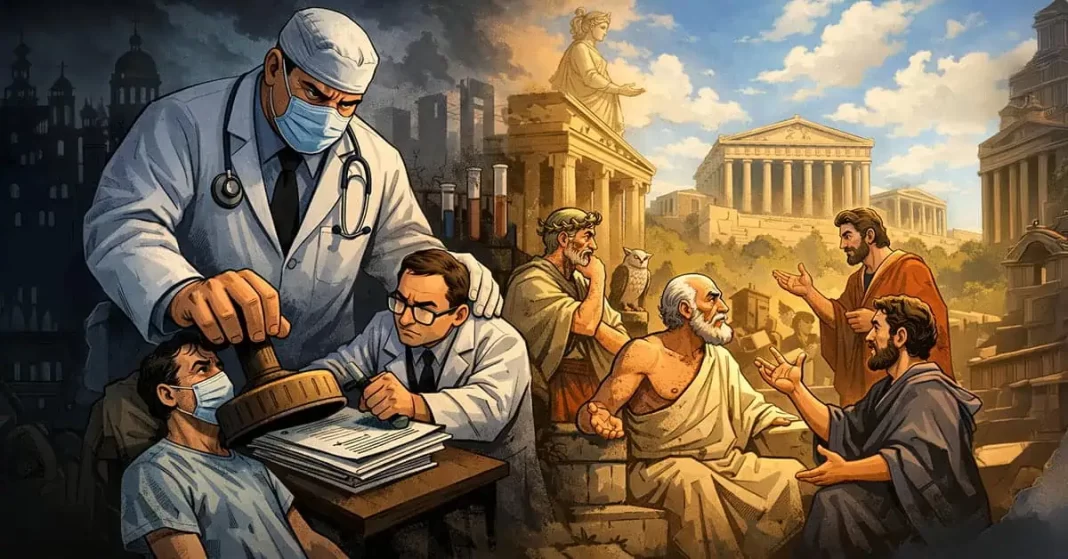
Patients arrive with a stomachache. The intake reads like a checklist. Do you feel suicidal? What day is it? Do you have trouble reading? A medical student or a nurse practitioner asks the scripted items. The real clinician appears for three minutes. The rest is billing paperwork dressed as care. I have watched a nurse come to a home visit and never take off her coat. She handed an iPad and asked me to sign. There was no blood pressure, no weight, no attention. The encounter felt like a Soviet formality.
This matters because medical freedom is not a slogan. It is the simple right to honest, competent diagnosis and advice. Telling patients to trust the system while offering rote protocols undermines trust. Offloading judgment to algorithms and protocols can work for routine problems. It fails when the complaint is atypical or when context matters.
Emergency rooms became a safety valve for a fragmented system. People with no primary care use the ER for minor complaints. That is a policy failure. It costs more and it degrades real emergency care. We can make medicine more like a reliable storefront. Fix the incentives. Reward conversation and judgment. Let clinicians think. Give patients readable options and honest risks. If institutions will not reform, patients will turn to other sources. Dr. Google will not save us. Better medicine will. Medicine should be on the people not the paperwork.
Join us at 5 pm ET weekdays on America Out Loud Talk Radio. Listen on iHeart Radio, our world-class media player, or our free apps on Apple, Android, or Alexa. Discover all the episodes on podcast networks, i.e., Apple Podcasts, Spotify, Pandora, TuneIn, Stitcher, and iHeart. You’ll find them the day after they air on talk radio, available on podcast. Extraordinary voices for extraordinary times.
Discover more from Randy Bock MD PC
Subscribe to get the latest posts sent to your email.