
As a prelude to Christmas and looking back on the year, comedian and social analyst Lou Perez speaks with the ease of someone who has lived through several versions of adulthood. He first talks about how California flattened his experience for him, stretched days into a pleasant sameness, and dissolved memory as quickly as it created it. “California is like an orgy of perfect weather with the occasional wildfire (!)” he says, and the line works because it carries both pleasure and warning. When he left, the place left him too. “I don’t remember living in LA.” Family life pulled everything back into focus.
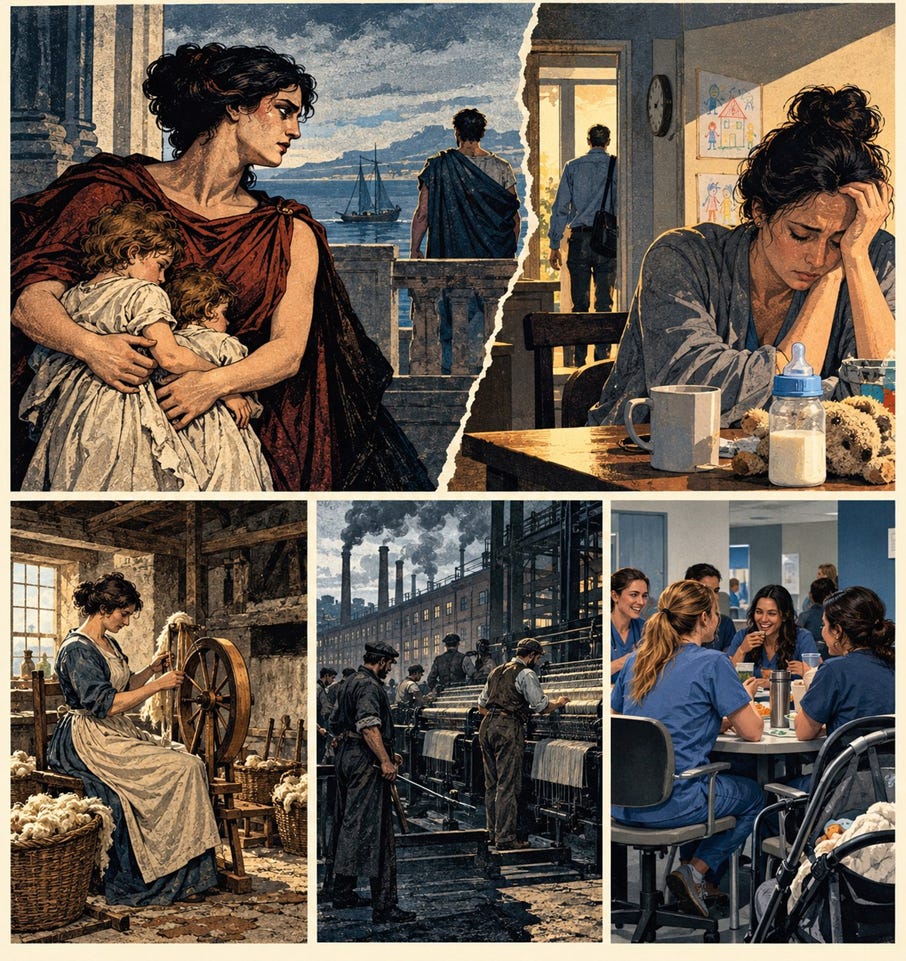
Marriage and children changed what space meant and altered what mattered. Apartments that once felt fine began to feel constraining, while a house with a yard suddenly felt necessary rather than aspirational. He describes watching his children move through space differently once they had room, and he frames that change as something obvious only in hindsight. COVID accelerated those realizations and stripped away illusions about urban life. Neighborhoods once marketed as communal began to feel regulatory, and neighbors who once ignored each other began to enforce rules by proxy.
Leaving did not feel dramatic, and returning later did not feel restorative. The city no longer matched the memory, because time had moved on without sentiment. He talks about a favorite restaurant that closed after marking several stages of his adult life, and he describes paying the final check with clarity rather than grief. The moment mattered because it marked an ending, not because it demanded mourning.
Institutions enter the frame because institutions shape daily life, especially when they fail. Universities, media, public health authorities, and police departments all appear not as villains but as systems that stumble when certainty replaces judgment. COVID exposed that weakness quickly. Policies enforced mask-wearing during maximal exertion and restricted physical spaces in ways that made no physiological sense, even to MD professionals who understood the body well enough to know better. Doctors complied anyway, because enforcement rewarded obedience rather than reasoning.
Perez uses humor to puncture abstraction. “You can’t abolish prisons until the moment you want (some criminal) put in one.” Reality resists theory, and fear reorganizes priorities without asking permission. Police body cameras’ ironies: anti-police activists demanded cameras as a corrective; departments adopted them, yet “Nothing has hurt the anti-police movement more than the very body cams they demanded police wear,” Perez says. The recordings restore context and show why simplified morality tales fail. “For every bad police video, there are hundreds showing what officers deal with every day.”
I note that the “hands up, don’t shoot” -mantra never reflected reality, yet “Lies go around the world before the truth gets its pants on”– mentioning a recent encounter with an SUV covered in bumper stickers that announce anti-police slogans beside demands for state protection; revolutionary rhetoric next to entitlement programs: a rolling reminder of beliefs held without examination.
Perez says Tom Wolfe and Joan Didion appear to understand how cities, institutions, and human vanity interact. I mention Cicero’s questions about duty and restraint, which predate modern politics by centuries. Human nature has not changed, and societies still fail in familiar ways.
Fortunately, family returns as the quiet constant: children grow, routines settle, and ordinary moments accumulate meaning. A meal, a walk, or the closing of a familiar place carries weight because it marks time honestly. The exchange does not issue prescriptions or slogans, but it records how people lived through distortion and fatigue and found their way back to scale. Humor survives where certainty collapses, facts return through footage and experience, and family restores proportion when institutions lose it.
And that is an excellent takeaway this Christmas season. Bless all of you, my listeners and others, and a happy new year!
Transcript Summary of this podcast episode ⤵Full Transcript (Auto-Transcribed)
I keep a shoebox of faded photos from my loft years. They pull me back to sunlit rooms, late nights, and a restaurant where we learned the sexes of our sons. The neighborhood changed, the place closed, and I felt the thin ache we call nostalgia. It is not lonely alone. It is memory insisting that life had shape and consequence and that our freedoms meant something.
Social media will prod your past for profit. It packages memory into a dopamine loop and flattens the messy work of community and truth. That matters because trust is the currency of public life. When institutions treat truth as adjustable, people stop believing experts. That collapse of trust is not abstruse. I saw it in pandemic policies that traded honest risk-benefit conversation for mandates and in the cultural ritual of public shaming that mimics old political purges. Men and women who once sought debate now fear being ritualized by mobs.
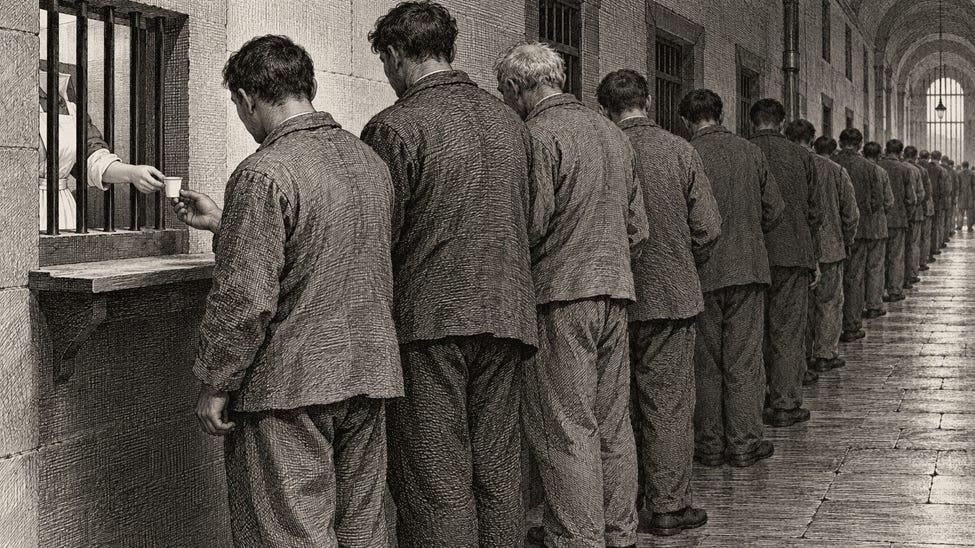
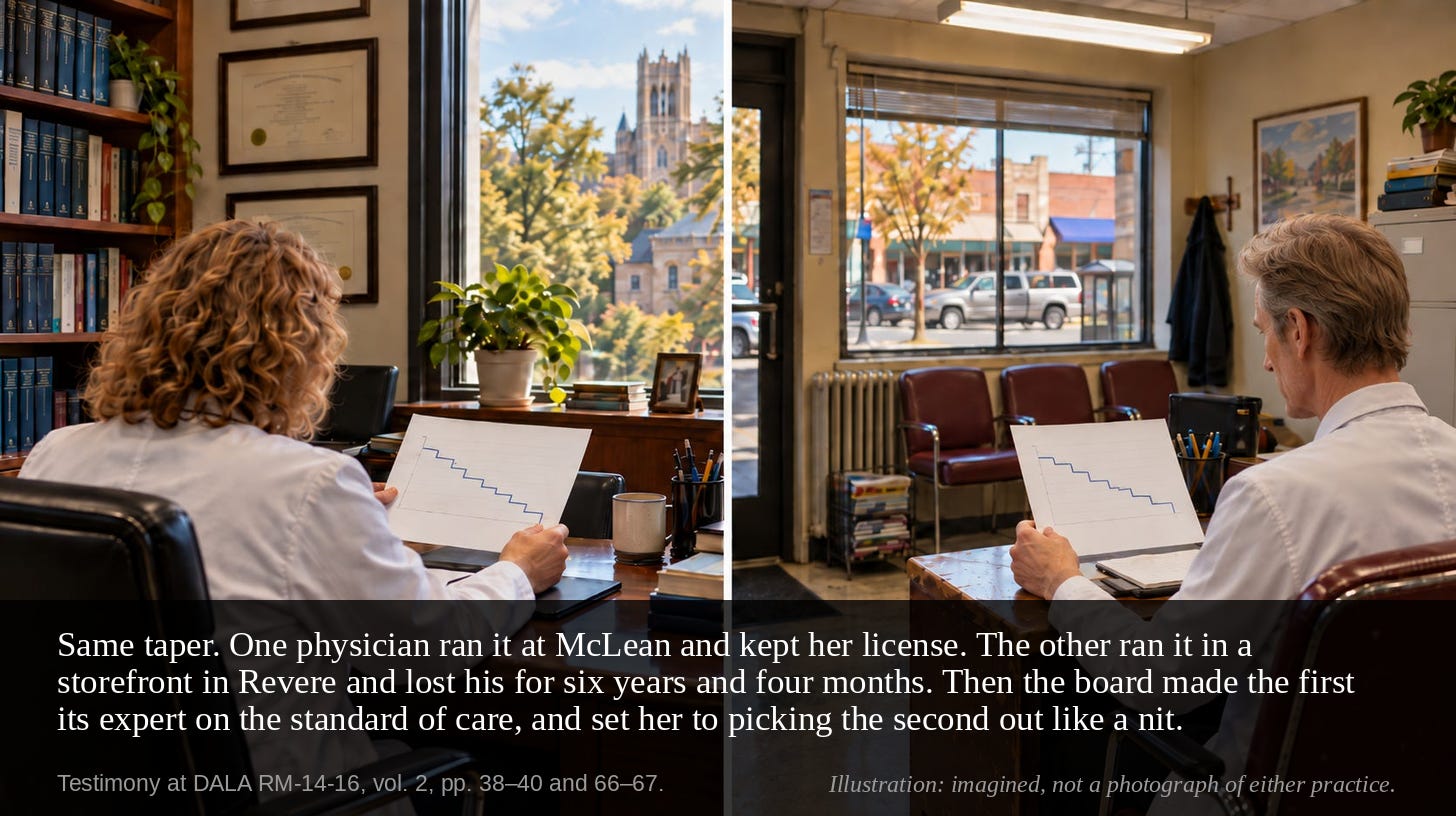
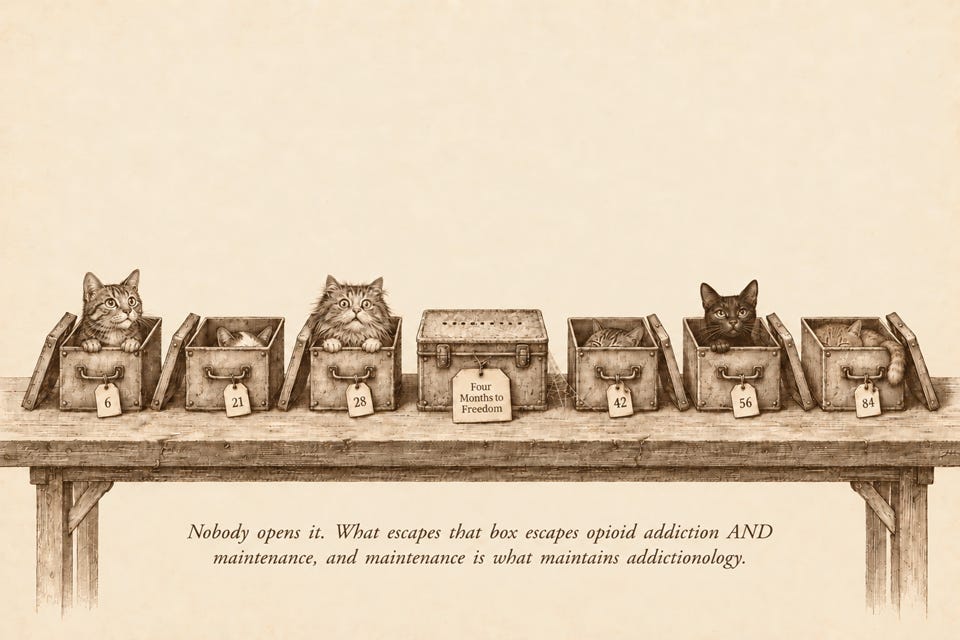
Medicine must reclaim honesty and patient autonomy. Addiction is often a response to trauma. Treating it as a static disease and locking patients into lifelong maintenance programs fails them. My work on opioid policy and recovery argues for tapering to sobriety, for listening, and for restoring agency.
We cannot go back to every city block or every conversation. We can choose what we take forward. Teach civility, refuse the spectacle of cancel culture, and demand open forums where science is debated in the public light. Memory should make us humbler and bolder. Let it be the seed for a medicine and a politics that honor free choice, truthful counsel, and the hard work of repair.
Too many policies were dreamed up by committees that cannot feel a child eating breakfast or a father missing his restaurant. We must put people first, not slogans.
Join us at 5 pm ET weekdays on America Out Loud Talk Radio. Listen on iHeart Radio, our world-class media player, or our free apps on Apple, Android, or Alexa. Discover all the episodes on podcast networks, i.e., Apple Podcasts, Spotify, Pandora, TuneIn, Stitcher, and iHeart. You’ll find them the day after they air on talk radio, available on podcast. Extraordinary voices for extraordinary times.
Discover more from Randy Bock MD PC
Subscribe to get the latest posts sent to your email.