


A Lawyer’s Perspective on the Sacred and the Scientific
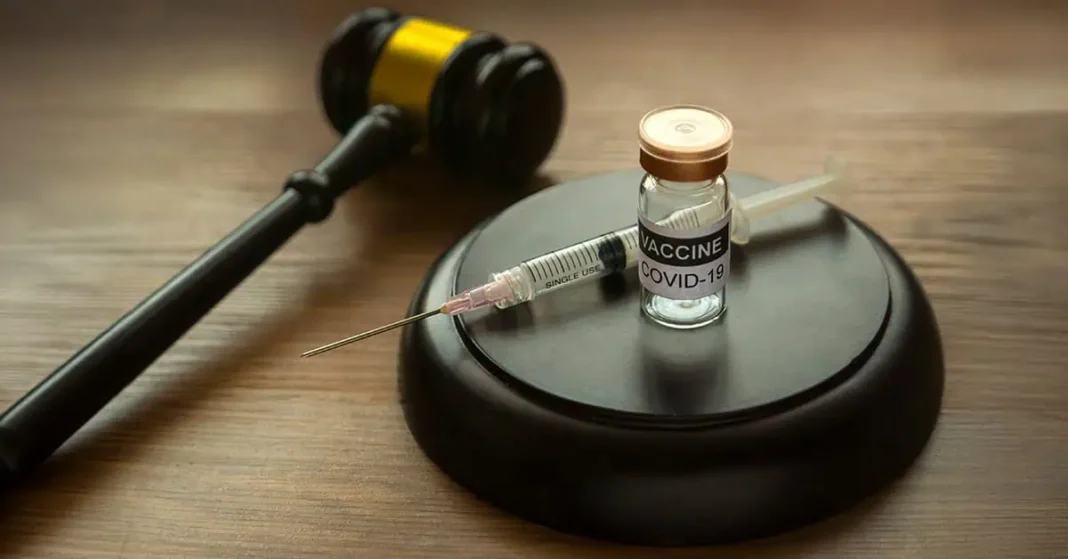
Attorney Aaron Siri approaches vaccines not as a medical professional, but through the lens of law and evidence. His investigation into vaccine licensing and clinical trials reveals a stark disconnect between public perception and regulatory reality. As he puts it simply: “They’re just products. Judge them as products.”
Table of contents
The Historical Context: Before the Vaccine Explosion
Siri begins with a historical perspective that challenges modern assumptions. “In the early eighties, we had three routine vaccines—MMR, OPV, DTP. That was it. No apocalypse.” The vaccination uptake rates were modest—high 50s to low 60s percent—yet society functioned without the dire consequences often predicted today.
Children routinely contracted and recovered from measles, mumps, and chickenpox through natural exposure. While these illnesses were certainly inconvenient and sometimes dangerous, they didn’t collapse civilization. More intriguingly, “study after study shows those who had measles, mumps, rubella, and chickenpox have lower rates of cancer and far lower rates of heart disease.”
This raises questions about the long-term trade-offs when we eliminate these natural infections entirely.
The COVID Vaccine Paradox: Our “Best” Trials Were Still Inadequate
The COVID-19 vaccines faced criticism for rushed development and abbreviated trials. Yet Siri reveals a stunning comparison: “The COVID vaccine trials, as short as they were, were more robust than almost any childhood vaccine trial.”
COVID vaccine trials included:
- 30,000-42,000 participants
- Several months of safety monitoring
- Actual placebo controls (at least initially)
This stands in sharp contrast to the routine childhood vaccines that parents accept without question.
The Placebo Problem: No True Controls in Childhood Vaccine Trials
Siri’s most damning finding centers on basic scientific methodology: “Not a single routine injected childhood vaccine was licensed on a placebo-controlled trial with something inert. Not one.”
Instead of using true placebos—inert substances that allow researchers to distinguish vaccine effects from background health issues—vaccine trials typically use:
- Other vaccines as “controls”
- Substances containing aluminum adjuvants
- Nothing at all (uncontrolled studies)
This fundamental flaw undermines the ability to accurately assess vaccine safety profiles.
Safety Monitoring: Days and Weeks, Not Months or Years
The duration of safety monitoring in childhood vaccine trials is shockingly brief:
Hepatitis B vaccine: 147 children, 5 days of safety monitoring MMR vaccine: 800 children, 42 days of safety review Most routine vaccines: “Days. Weeks. Laughable,” as Siri describes it
Compare this to pharmaceutical drugs, which undergo multi-year placebo-controlled trials specifically because drug companies want to identify safety issues before facing potential lawsuits.
The Legal Shield: Unique Immunity from Liability
Vaccines occupy a unique position in American law. Unlike every other product—from cars to pharmaceuticals to household items—vaccine manufacturers enjoy complete immunity from design defect lawsuits under the 1986 National Childhood Vaccine Injury Act.
This removes the normal market incentive to develop safer products. As Siri notes, drug companies have strong financial motivation to conduct thorough safety testing because they face liability for injuries. Vaccine manufacturers operate under different rules entirely.
The Religion of Vaccines: Belief Versus Evidence
Siri identifies a cultural phenomenon where vaccines have transcended scientific scrutiny to become objects of faith. People commonly say “I believe in vaccines” rather than “I’ve examined the evidence for vaccines”—a telling linguistic shift that suggests emotional rather than rational engagement with the topic.
“Most of what people know about vaccines is based on belief,” Siri observes. “That’s why when you challenge them on it, they often react emotionally because they’re not drawing from their intellect, their knowledge. They’re drawing from their emotions because they have no place else to draw from.”
The Health Crisis: Correlation and Causation
The timeline correlation is striking. As childhood vaccine injections increased from 3 by age one (early 1980s) to 29 by age one (today), chronic health conditions in children exploded from under 10% to over 40%—with some estimates exceeding 70%.
Many of these conditions involve immune system dysregulation:
- ADHD (linked to immune dysfunction in multiple studies)
- Autism spectrum disorders
- Autoimmune conditions
- Allergies and asthma
While correlation doesn’t prove causation, it warrants serious investigation rather than dismissal.
Individual Rights and Informed Consent
Siri’s legal work focuses on protecting individual choice and genuine informed consent. His position is straightforward: “If you want to get a vaccine, this is America. That’s freedom. You should be free to get as many as you want. But if you do not want to get a vaccine, you’ve been informed, you’ve looked at it, and you decide, I don’t want to consent, that’s informed consent.”
The issue isn’t whether vaccines are inherently good or bad, but whether people can make truly informed decisions based on complete information rather than marketing claims.
The Path Forward: Products, Not Sacred Objects
Siri’s core message is simple: treat vaccines like any other medical product. This means:
- Requiring true placebo-controlled trials
- Extending safety monitoring periods
- Removing legal immunity shields
- Allowing individual choice without coercion
- Judging each vaccine on its individual merits
“I’m not for or against vaccines,” Siri explains. “I don’t think they’re good or they’re bad. They’re a product. Judge them as products.”
Conclusion: Evidence Over Emotion
The conversation around vaccines has become so emotionally charged that basic questions about clinical trial methodology are often dismissed as heretical. Siri’s legal investigation suggests we need to return to fundamental scientific principles: proper controls, adequate safety monitoring, and honest assessment of risks and benefits.
Whether vaccines provide net benefits in specific circumstances is a question that deserves rigorous, unbiased investigation rather than faith-based acceptance. The goal isn’t to eliminate all vaccines, but to ensure they meet the same evidentiary standards we demand of other medical interventions.
As Siri concludes: vaccines are products, not objects of worship. It’s time we started treating them as such.
Discover more from Randy Bock MD PC
Subscribe to get the latest posts sent to your email.