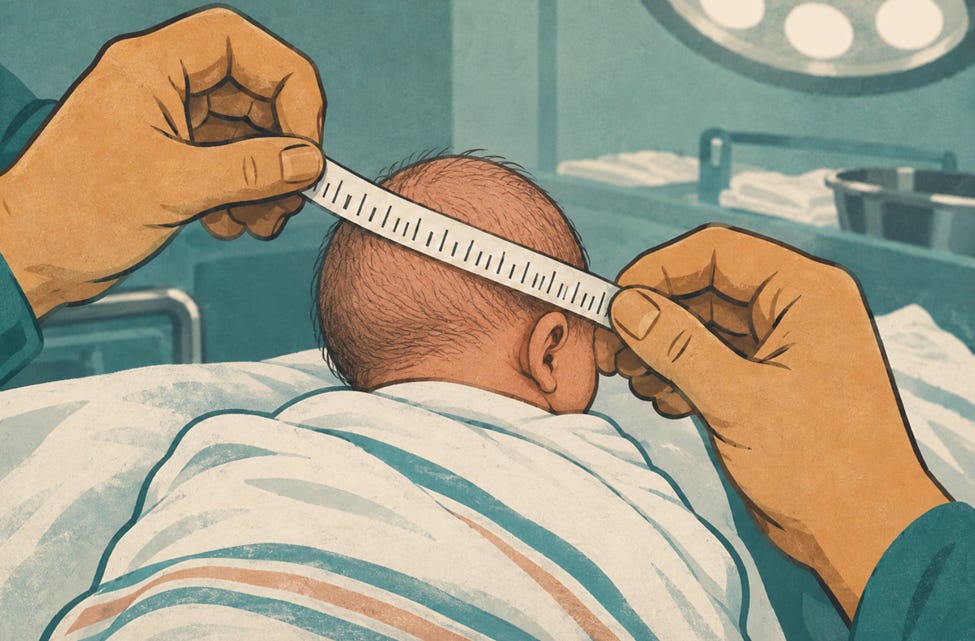

We dive into two critical issues at the intersection of health, technology, and society. First, we explore the personal and societal impacts of genetic testing, from life-altering discoveries to the questionable value of information that may bring more anxiety than action. Then, we pivot to the broader failures in national health intelligence that shaped the COVID-19 crisis, examining the misuse of classified information, misplaced priorities, and the troubling intersection of science and politics.
In both cases, we face a central dilemma: the quest for knowledge and its unintended consequences. Whether it’s uncovering family secrets through DNA tests or sharing cutting-edge technology with global adversaries, the pursuit of answers often creates as many problems as it solves. Dr. Susan Patton asked provocatively, “Do you want to know the date of your death?” Dr. Andrew Huff later mirrored this caution with his stark observation, “Technology always has dual use — a knife can cut a steak or defend a life.”
Genetic testing offers the promise of insight but often delivers unexpected burdens. “We root around for truths like truffles,” Dr. Bock noted, “but for some, what we find feels more like fungus.” Similarly, health intelligence — intended to protect — was instead cloaked in secrecy, amplifying harm. “Classifying health intelligence wasn’t for protection — it was to undermine and control,” Dr. Huff asserted.
Both discussions underscore a need for transparency and careful deliberation about how we handle sensitive knowledge. Huff advocated for open-access health intelligence, declaring, “Diseases don’t care what uniform you wear.” Patton reminded us of the anxiety such knowledge often brings, with little resolution. Together, their insights reveal the fragility of trust — whether in a medical diagnosis or a government’s pandemic response.
The episode challenges us to weigh the risks and rewards of uncovering hidden truths. Whether on the personal level of genetic revelations or the global scale of pandemic intelligence, we are left asking: what should we know, and at what cost? We must balance precision and caution.
Join us on weekdays at 5 pm E.T. weekdays on America Out Loud Talk Radio. Listen on iHeart Radio, our world-class media player, or our free apps on Apple, Android, or Alexa. Discover all the episodes on podcast networks, i.e., Apple Podcasts, Spotify, Pandora, TuneIn, Stitcher, and iHeart. You’ll find them the day after they air on talk radio, available on podcast. Extraordinary voices for extraordinary times.
Discover more from Randy Bock MD PC
Subscribe to get the latest posts sent to your email.