

John Hawkins came up through the old conservative internet, when a writer could build an audience with speed, nerve, timing, and a willingness to fight in public. His site, Right Wing News, became a major force during the Facebook years, then watched the platform world tighten its grip. “We were one of the first people doing it, Right Wing News, where everything’s outrage and click-baity and we’re going to get you to click through.” It worked, until it did not. The lesson was not only about technology. It was about dependency. A movement that lives on rented ground can be removed from that ground.
Hawkins now writes at Culturcidal, where the stated premise is plain: no outrage bait, no name-calling, and no country fixed without fixing the culture. He knows the traffic machine because he helped run one. Outrage works. It produces clicks. It teaches the audience to crave another insult, another villain, another hard candy of contempt. “I’ve actually written about it, called it Doritos journalism.” The phrase holds because it is funny and accurate. It tastes like food, but it cannot nourish the public. “People are going to click on it, but it’s not real news.”
The problem is not confined to one side or one platform. The appetite has spread through the whole media diet. “When everything’s Doritos, which is where we are, the mainstream media is now Doritos, everything’s Doritos.” That is why Hawkins moved toward paid writing and direct audience support. “The internet is moving towards a much more subscription-based model.” In that model, the reader is not only a metric. He is a patron, a witness, and sometimes a guardrail. The writer has fewer excuses. He must decide whether he wants heat or light.
His argument is larger than the media. Politics comes late. Culture comes first. The habits of a people, their loyalties, their restraints, their picture of honor and shame, form the ground on which politics stands. If that ground breaks, elections become rescue fantasies. The next candidate, court decision, platform rule, or congressional majority will not repair the deeper injury. “The only way to fix what’s going on with America today is to fix the culture.” That is not a slogan. It is a hierarchy of causes.
Hawkins writes about culture, economics, self-command, and the small disciplines that make a life durable. His model is Thomas Sowell, who taught, wrote columns, wrote books, and kept returning to first principles. Hawkins wants that kind of career, one built on argument rather than appetite. He also writes in the self-help tradition, including 101 Things All Young Adults Should Know, a book meant to give younger readers the lessons most people learn too late.
The strongest theme is cheap dopamine. The modern world gives pleasure without achievement. Games, pornography, alcohol, streaming, grievance politics, and clickbait all offer fast reward. The cost arrives later. “One of the problems with our society right now is they’re heavily weighted towards things that are not necessarily good for us or that are extremely, extremely easy.” A man can spend ten hours building a warrior’s body on a screen while his own body weakens in the chair. A lonely person can read romance until midnight while avoiding the risk of being known.
The better rewards cost more because they require time, risk, labor, and exposure to disappointment. Hawkins’s point aligns with the problem Anna Lembke describes in Dopamine Nation: the relentless pursuit of pleasure can lead to pain, and balance must be recovered. Hawkins says it more practically. “All the good things that happen in your life, those all happen around expensive dopamine.” A good meal, a hard workout, a dance, a marriage, a child, a finished book, a repaired friendship, a victory earned by labor, these are not chemical tricks. They register that something real has happened.
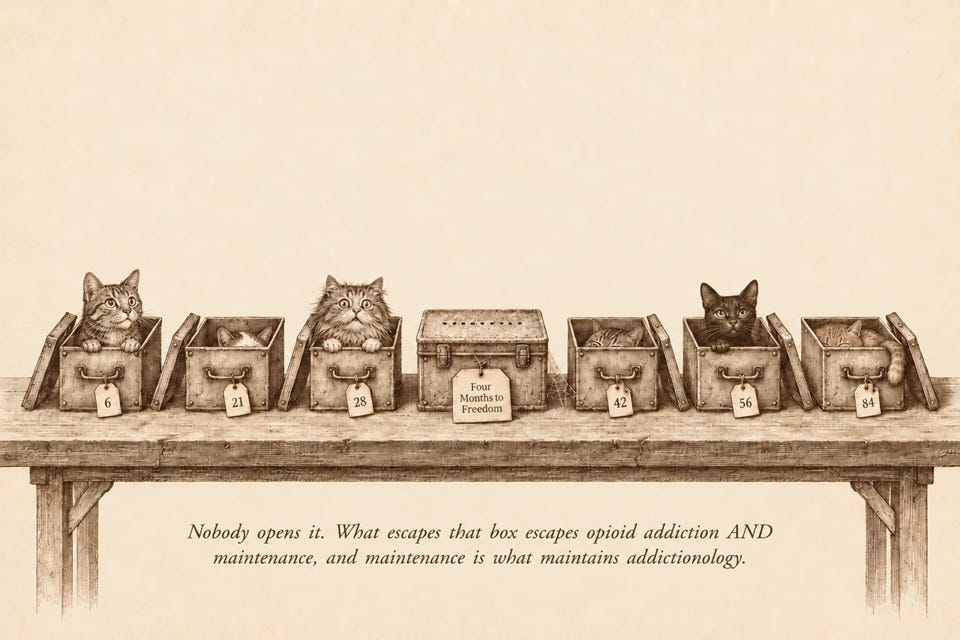
The medical analogy is plain. Addiction often begins as a shortcut to relief. Recovery requires time, structure, meaning, and a return to life. In my own work with narcotic addiction, I saw the problem with both extremes. The short detox was too fast. The maintenance model could become permanent. The better path required more than removing a drug. It required helping a person recover a life worth inhabiting. The person is not a machine into which a token can be dropped. He must be guided back toward ordered desire.
From there, the conversation widens. Hawkins sees ideological movements selling identity, grievance, and fracture while offering no evidence that their followers become happier, wiser, or more whole. He asks whether the people being imitated are worth imitating. Do they show peace? Do they build families, institutions, skills, and durable joy? Or do they turn ordinary life into a permanent complaint? “A culture has to be designed, at least to an extent.” That does not mean a central planner writes the national soul. It means families, schools, churches, laws, habits, and stories either civilize the young or leave them to the market of appetite.
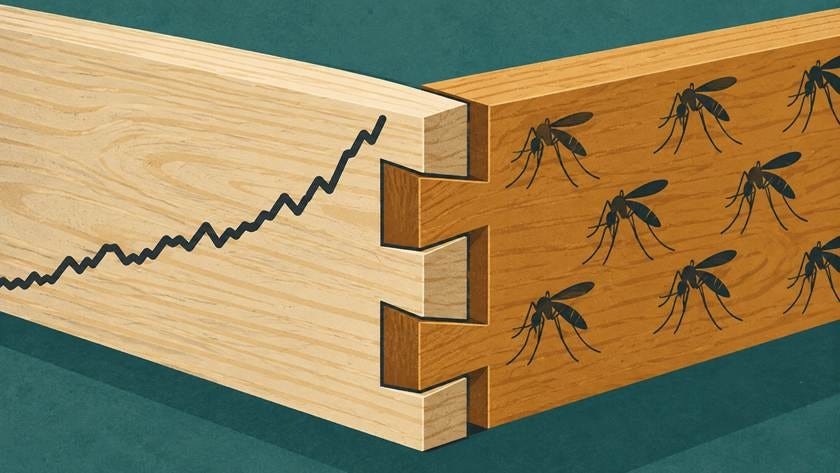
The close returns to science and its corruption by money, conformity, and institutional fear. Zika, COVID, climate, and drug research all raise the same structural question. What happens when incentives point in one direction and dissent carries a professional cost? Hawkins does not deny science. He objects to its replacement by command. Real science lives by testing, correction, and reproducibility. Political science says shut up. “We’re setting up financial incentives that pervert science.” That sentence applies well beyond laboratories.
The country does not get fixed by slogans. It gets fixed by people who can still tell the difference between nourishment and appetite, science and decree, culture and propaganda, freedom and managed dependence. Hawkins’s warning is severe because his standard is high. A culture must be maintained. It does not keep itself.
Discover more from Randy Bock MD PC
Subscribe to get the latest posts sent to your email.