

When I taught my sons to ride bicycles, I put on rollerblades and skated beside them. I held the bicycle until each boy found his balance, then quietly took my hand away. He kept riding, often without knowing that he was doing it himself. My being there gave him confidence; his riding gave him something more.
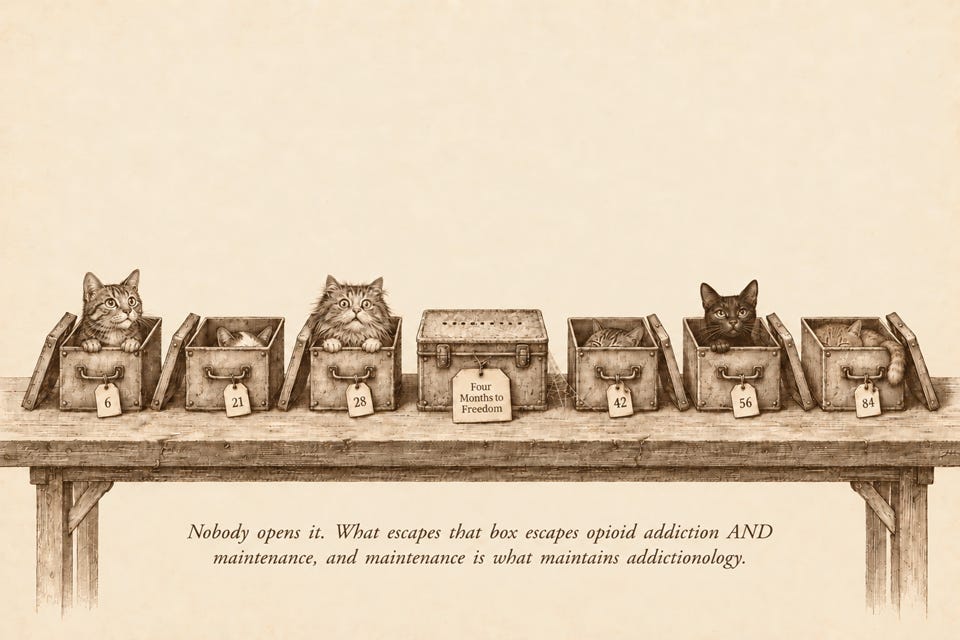
That is how I think about treating opioid addiction. Help a man through withdrawal, give him support, and work toward regaining command of his life. My approach used a gradual four-month taper, the subject of my forthcoming book, Four Months to Freedom. The destination mattered from the beginning: escaping opioid addiction and maintenance.
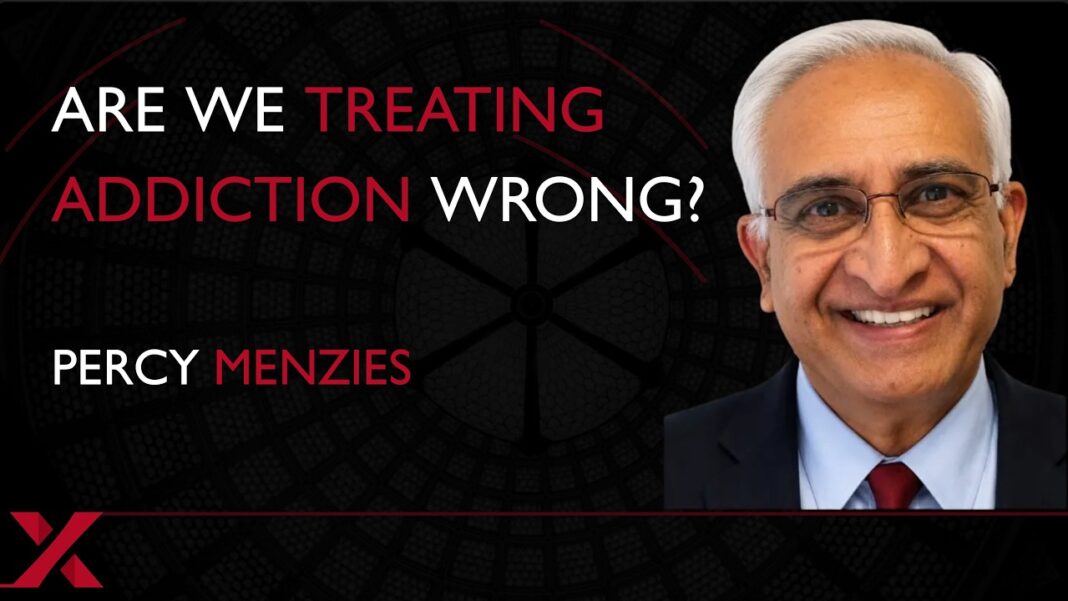
Percy Menzies shares my concern about treatment becoming permanent by default. A pharmacist who runs ARCA in St. Louis, he worked for the company that developed naloxone and naltrexone. He corrected my introduction immediately: his work preceded Vivitrol, the later injectable formulation of naltrexone. The distinction matters because his argument concerns a drug class and a treatment philosophy, not simply a brand.
Naloxone reverses an opioid overdose. Naltrexone blocks opioid receptors for longer and is used to prevent relapse after detoxification; it also treats alcohol dependence. Neither supplies the opioid stimulation provided by methadone or buprenorphine. Menzies believes that medicine has failed to give this difference its due, particularly when a patient wants a route away from opioids.
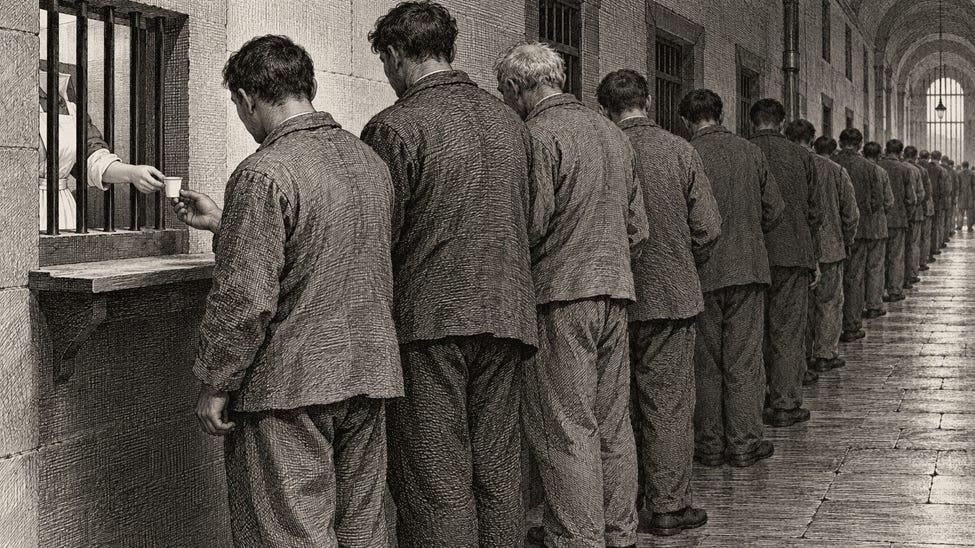
He describes the institutional resistance bluntly: “The methadone clinics needlessly saw naltrexone as an existential threat to their business model.” That is his account of the conflict, and it deserves examination. A service paid to dispense a drug repeatedly has a different financial incentive from a service organized around a patient’s eventually leaving. The incentive does not establish any individual clinician’s motive, but patients deserve to know their options.
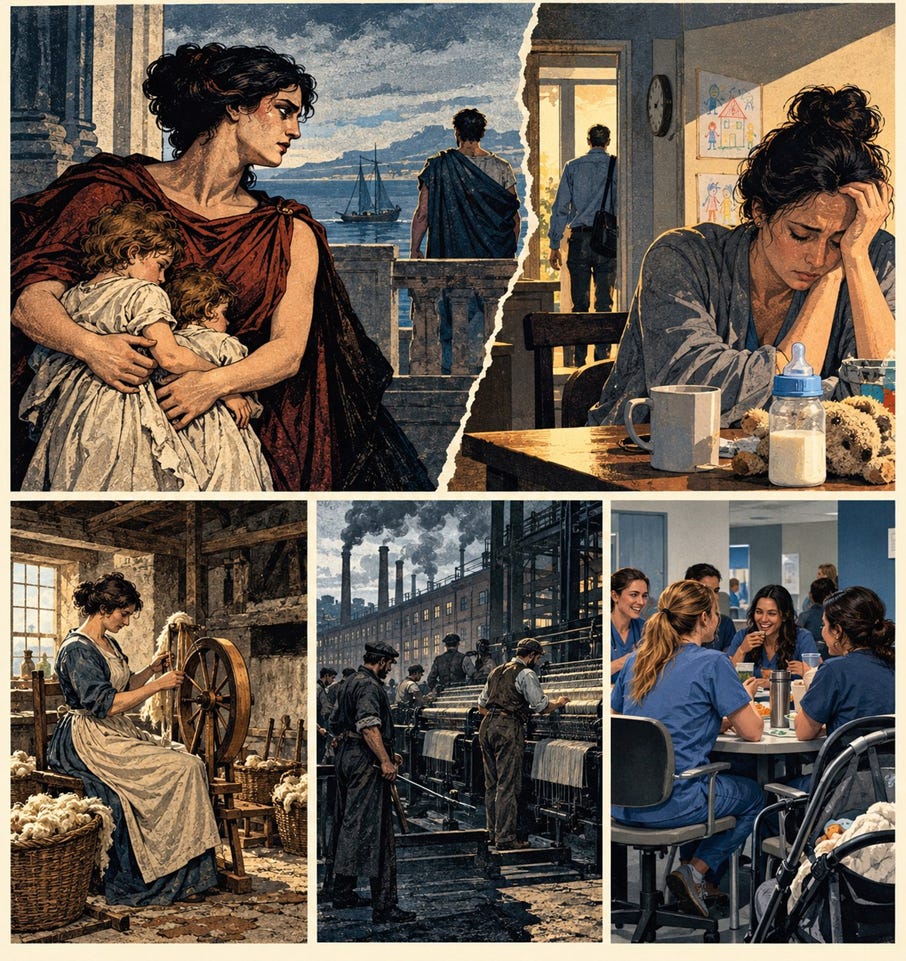
I question the familiar comparison between methadone and insulin. In type 1 diabetes, insulin replaces a hormone that the body cannot adequately produce. Opioid addiction does not establish a comparable lifelong deficiency of methadone. The analogy therefore cannot settle how long treatment should last, or whether a patient can recover without continued opioid medication. Those questions require their own evidence.
Menzies and I differ on how far to take that criticism. He supports buprenorphine, including longer treatment for some patients, and rejects the claim that a patient’s taking it necessarily invalidates his recovery. When I asked about limiting maintenance, he answered, “It should not be done arbitrarily.” His objection is to patients receiving a life sentence without a meaningful choice. We can disagree about duration while insisting that the patient’s goals belong in the plan from his first clinical visit.
His clinic begins with the patient in front of it. Staff assess withdrawal, provide medications for discomfort, and use buprenorphine to stabilize him. They also address housing, employment, and access to coverage. Menzies argues that inadequate relief of withdrawal can reinforce the very behavior treatment is supposed to interrupt. A man who expects unbearable distress has a powerful reason to keep using.
Once I described my sons’ bicycles, Menzies extended the comparison. Learning to ride does not eliminate the reason for wearing a helmet. In his model, naltrexone provides continuing protection after the patient has left opioid medication. It is an option for relapse prevention, although its receptor blockade does not make overdose impossible. Its use requires an adequate opioid-free interval; attempts to overcome the blockade can be fatal.
Alcohol exposes another inconsistency in our habits. Menzies argues for wider access to naltrexone for people who want to reduce drinking or maintain sobriety. He distinguishes it from Antabuse, which produces an aversive reaction when alcohol is consumed. His aim is to give patients a useful medication and explain how it works, without making their seeking help contingent on their accepting an entire institutional identity.
The bicycle remains my test of the treatment’s purpose. A father can stay beside his son while allowing the boy to acquire balance, judgment, and confidence. Medicine should offer patients that same prospect. As Menzies put it, “Where I have an issue is that we are not offering people choices.” A patient deserves to hear how treatment can help him today and what his options are for leaving it.
Related essays by Randall S. Bock
Methadone Maintenance Ignited America’s Opioid Crisis
Empowered by the State, Condemned by the Crisis: The Purdue Paradox
Discover more from Randy Bock MD PC
Subscribe to get the latest posts sent to your email.