

Savannah sells ghost stories. Comedian Lou Perez went there with his wife for their anniversary and wondered how many stories had grown to meet the tourists’ appetite. Back in New York, he found another kind of appetite at Luigi: The Musical. The subject was Luigi Mangione, accused of killing UnitedHealthcare executive Brian Thompson. Perez went to review the show for Pirate Wire (and ultimately, the Daily Wire) and watch its audience.
The audience included theatergoers, people angry with health insurance, and a woman who had traveled from Los Angeles to attend Mangione’s court hearings. Perez found little in the musical that tested its own premise. A prison guard with cancer helps its Luigi escape and hands him a gun. The show presents grievances against insurance companies, then lets them carry the weight of the killing. Perez thought the music failed as well. A show with a character playing Sean “Diddy” Combs made no serious attempt at hip-hop.
Perez put the question plainly: What did the killing change? Taking Thompson’s life did not write a new insurance contract, repeal a law, or put another doctor in an examination room. Perez also heard politicians condemn the act while professing to understand the anger behind it. Many of those politicians helped write the rules patients and insurers must follow.
That is where the health-care argument begins. I spent decades in primary care, where a patient’s request might pass through a doctor, an insurer, and a rule written far from both. Patients resent being told no. Doctors resent having to seek permission to prescribe or order a test. Insurers face pressure to pay for more services while keeping premiums within reach. Each party sees the bill from a different place; few patients see it in full.
We considered the other side of denial: care that costs more because someone else pays. I described drug-testing practices I had seen in opioid treatment. A simple qualitative screen could answer whether a patient had used a substance outside the treatment plan. A more expensive quantitative test could produce a precise number without changing the decision at hand. The distinction matters when the test is repeated and billed each time.
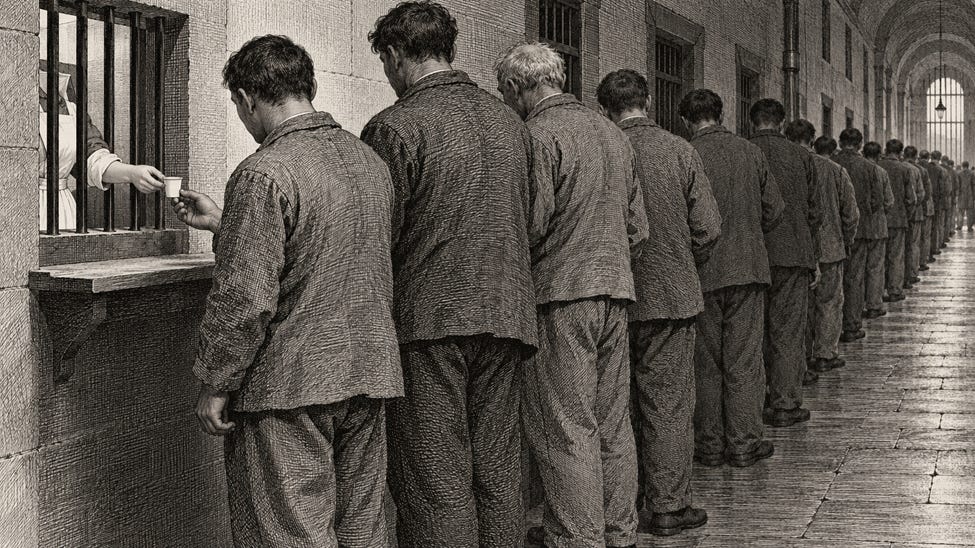
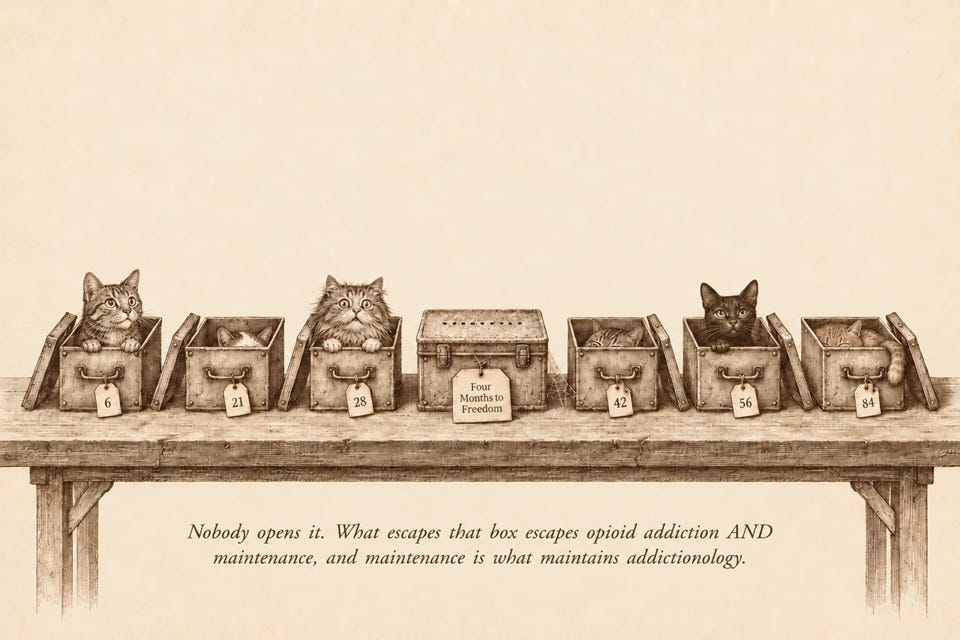
My upcoming book, Four Months to Freedom, addresses another question from that work. Patients who wanted to taper methadone or buprenorphine sometimes met suspicion instead of help. Maintenance has its defenders, and its patients who benefit; a patient’s wish to leave treatment still deserves a hearing. A system that readily pays for continuing care can make that choice hard to pursue.
Perez pays out of pocket to see a therapist. He questioned whether every such service should be pooled into an insurance premium, along with services a buyer would never choose. The same question applies to elective care and to tests ordered because reimbursement makes them attractive. People can disagree about what insurance ought to cover; they still have to reckon with the price of saying yes to everything.
Insurance cannot make a person healthy on its own. Perez urged people to live as though they did not have it, meaning they should attend to their health before a claim becomes necessary. That thought led us to the strange appeal of illness as an identity and, finally, to the public response to Lindsay Clancy. Perez was disturbed by the defense some of her admirers mounted. He spoke of the children and the difficulty of serving impartially on a jury.
The musical and the court case drew different crowds. In each, Perez watched people bring a cause to an act of violence. Grievance can explain why a person draws sympathy. It cannot tell us whether the sympathy is deserved or what the person did.
Discover more from Randy Bock MD PC
Subscribe to get the latest posts sent to your email.