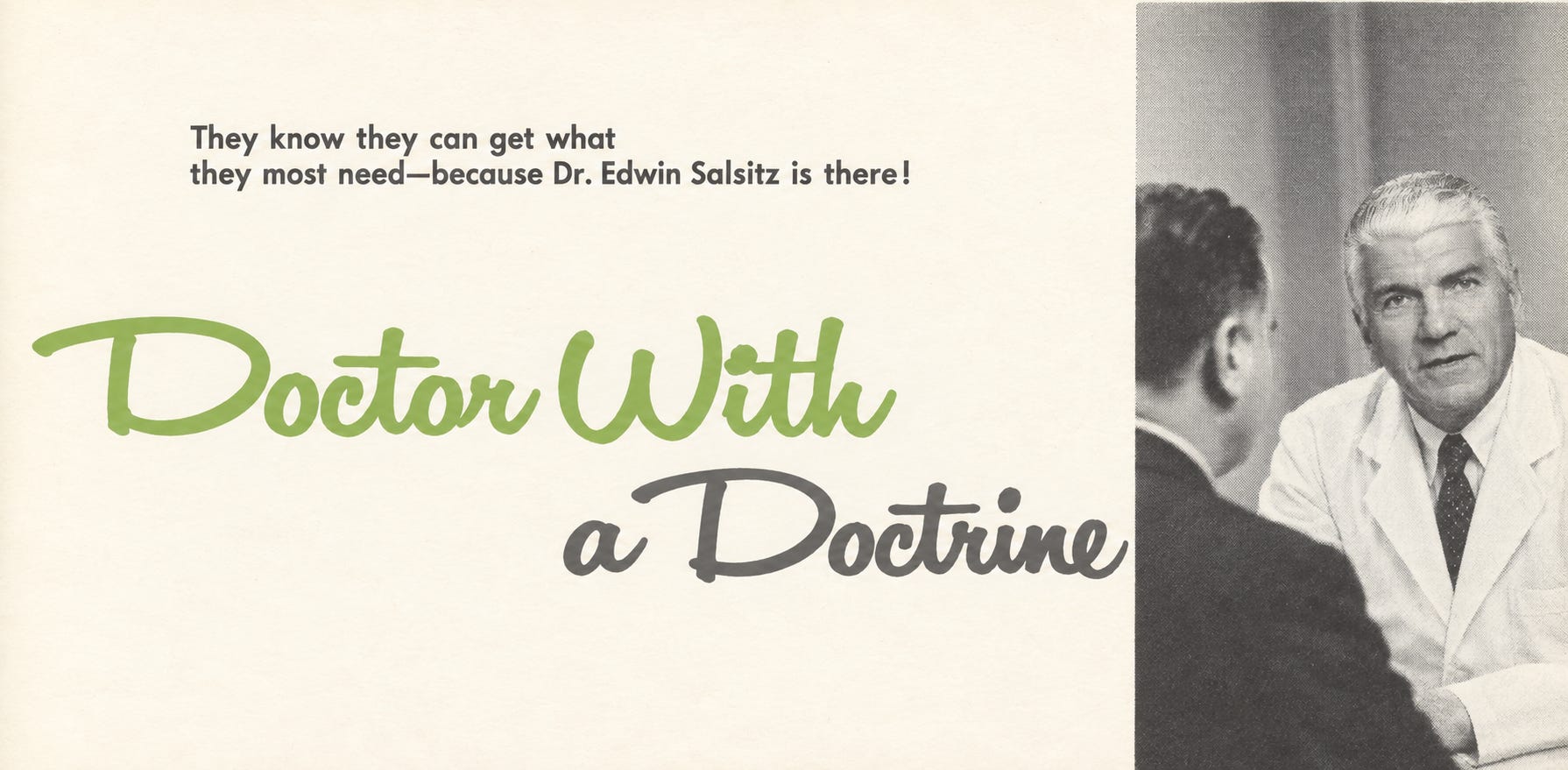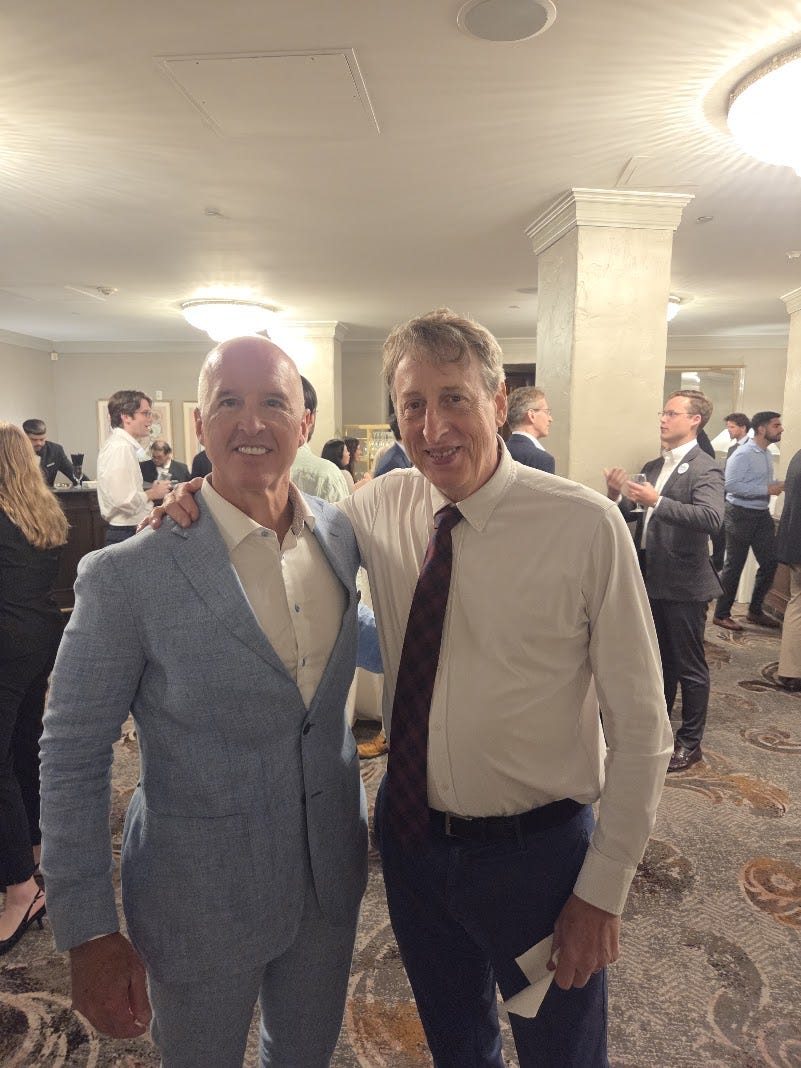

Dr. Anthony Daniels, known for decades under the pen name Theodore Dalrymple, has occupied a peculiar place in modern intellectual life. He trained as a physician, practiced psychiatry, worked in prisons, and in Africa and Latin America, and then wrote essays– not from theory, but from prolonged contact with lives gone badly wrong. His travel was not merely recreation, but a philosophical exercise. “All judgment, as Dr. Johnson said, is comparative,” Daniels notes. One cannot understand one’s own society without seeing alternatives.
Tanzania provided one of his most important lessons. The country was desperately poor by Western standards, yet the people he encountered possessed a degree of courtesy that now feels almost exotic in much of the developed world. Daniels recalled that he “realized that poverty and coarseness and vulgarity were not coterminous.” Material deprivation and cultural degradation are not identical conditions
Tanzania received vast sums of international assistance while remaining economically stagnant. Daniels noted that “aid given to people, however well-intentioned, doesn’t necessarily produce the effects that are supposedly desired.” Many modern institutions survive because resources continue flowing toward failure rather than away from it. Bureaucracies rarely experience market discipline; in fact, they receive larger budgets precisely because they have failed to solve the problems they were created to address.
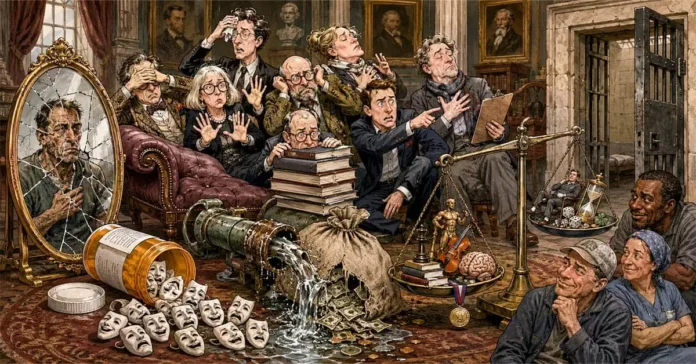
That pattern reappeared throughout Daniels’ psychiatric career. After speaking with thousands of patients who had attempted suicide, abused drugs, committed crimes, or found themselves trapped in destructive relationships, he reached a conclusion that would place him at odds with much of contemporary psychiatry. “I came to be very much against the medicalization of ordinary human problems and miseries.” The sentence may be the organizing principle of his entire body of work.
Modern medicine increasingly converts disappointment, weakness, irresponsibility, heartbreak, loneliness, and failure into diagnostic categories. “If you medicalize what is not medical, then people stop thinking properly about their own situation.” The consequence is not compassion, but confusion.
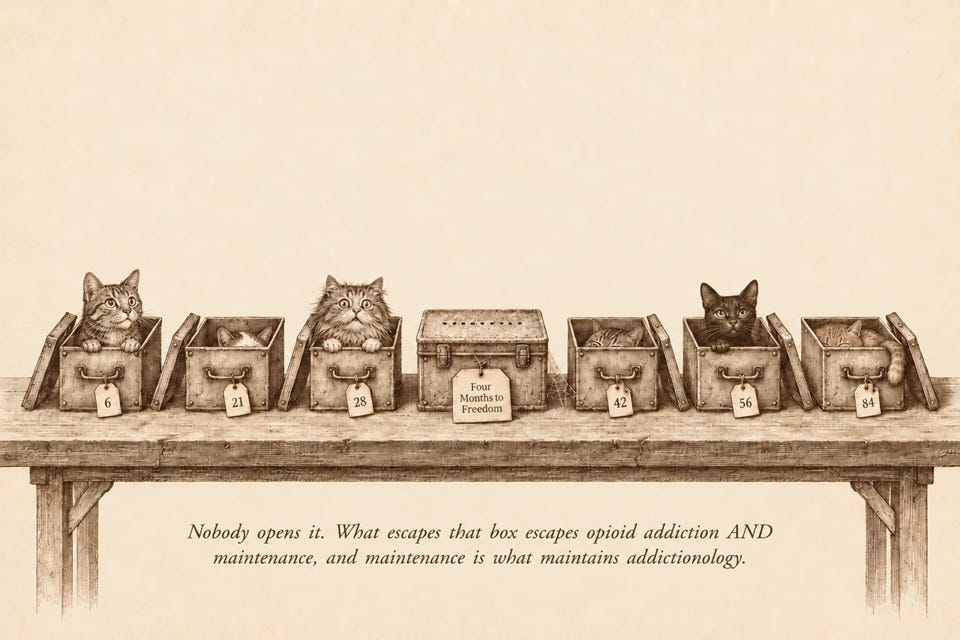
His observations on addiction remain among the sharpest critiques of the prevailing disease model. Working in prisons, Daniels repeatedly watched addicts laugh and joke in waiting rooms before entering his office; thereupon presenting themselves as victims of unbearable suffering. He never denied withdrawal, Austria’s difficulties, or the underlying addictions, but rather the notion that addiction arrived like multiple sclerosis or Parkinson’s disease – out of the blue. “It’s complete nonsense to say that this is just something that happens to someone.” An addict learned techniques, acquired habits, adopted a social milieu, overcame inhibitions, and made repeated choices.
Meritocracy (similarly) creates discomfort because success and failure become difficult to attribute entirely to external forces. As Daniels observed, “There is only one person to blame, namely oneself. And that’s a very uncomfortable feeling for people.” No society will ever produce equal outcomes because no society can eliminate differences in intelligence, temperament, family structure, ambition, discipline, or luck. Yet the demand persists.
Daniels described a Britain that once valued restraint and understatement. Today, he sees almost the opposite tendency. Emotional display has become a form of moral theater. Public expression receives social rewards. Self-control attracts suspicion. Daniels described “a kind of arms race in the expression of emotion.” The louder the grievance, the greater the presumed authenticity. The more dramatic the performance, the stronger the claim to victimhood.
Perhaps no subject better illustrates Daniels’ willingness to confront fashionable dogmas than his defense in In Praise of Prejudice: The Necessity of Preconceived Ideas. The title sounds inflammatory, but people constantly make judgments: “You need prejudice to go through the world.” The problem is refusing to modify them when evidence demands correction. Every driver, physician, investor, parent, and police officer operates through probabilities. Civilization itself depends upon discriminating between likely and unlikely outcomes.
The encouraging aspect of Daniels’ work is that he remains more optimistic about ordinary people than about intellectuals. Prisoners understood his jokes. Patients recognized uncomfortable truths. Even addicts laughed when confronted with their own contradictions. As Daniels concluded, “What was really necessary was to undermine the intellectual cowardice of our intellectual class.”. He asks people to confront realities they already know but have increasingly been instructed not to say aloud.
Discover more from Randy Bock MD PC
Subscribe to get the latest posts sent to your email.