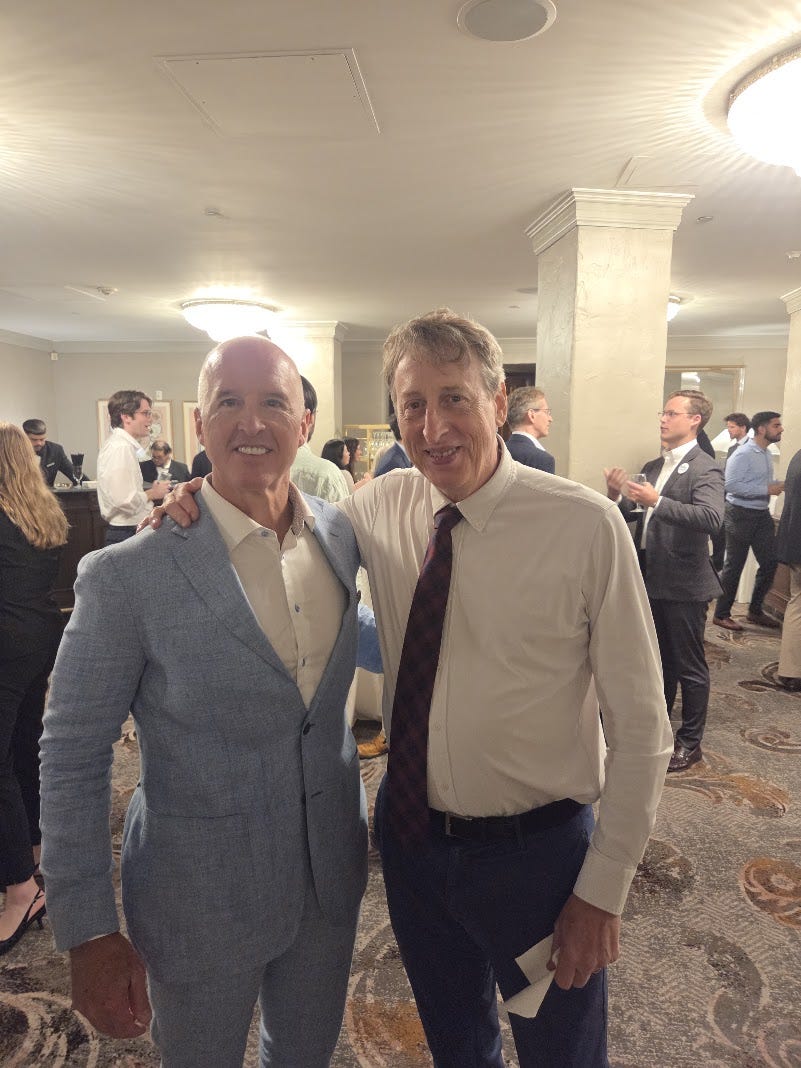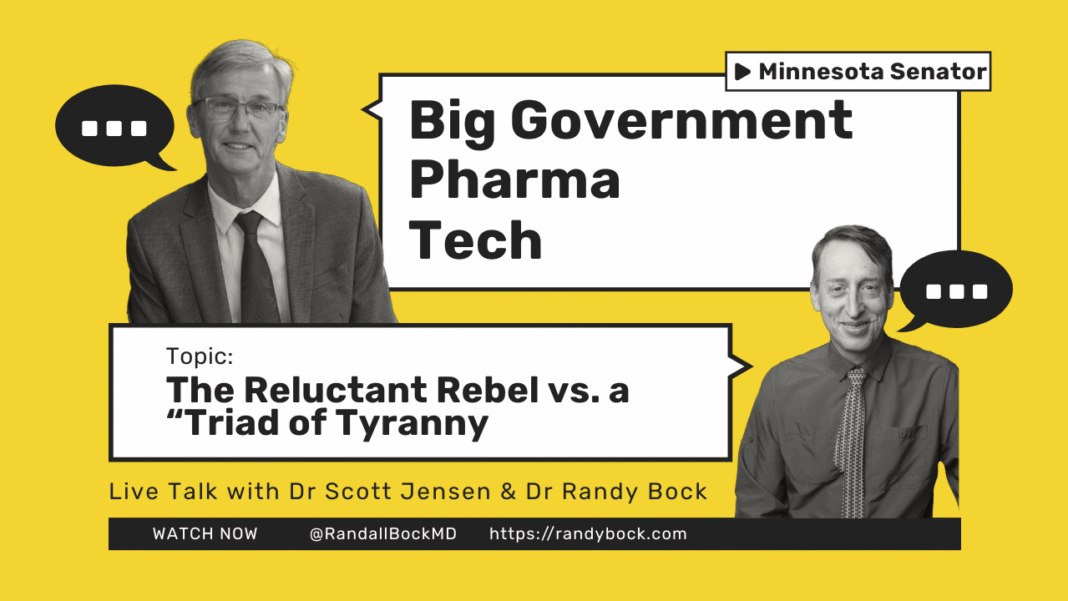

In this special broadcast of America Out Loud Pulse Radio, Dr. Randall Bock brings together three compelling voices — cancer survivor Tom Masty, mathematician Professor Norman Fenton, and “junk science” critic Steve Milloy — to explore resilience, skepticism, and the pursuit of truth. From personal battles with mortality to dismantling public health narratives and exposing flawed science, their insights challenge us to rethink what we accept and why. Each guest brings a unique perspective, but all converge on a powerful message: truth demands courage, critical thinking, and an unwavering commitment to integrity.
Tom Masty, a stage IV esophageal cancer survivor, opens with a poignant reflection on living with the constant shadow of mortality. Diagnosed in 2017, his odds of survival were less than 5%. Yet, seven years later, Masty persists, embodying resilience. “Courage is going on when you don’t have the strength,” he shares, quoting Theodore Roosevelt. Masty’s journey is not just a battle with cancer but a testament to human endurance and perspective. He emphasizes gratitude over despair: “Appreciate the small blessings — don’t let them pass you by.” As he faces the uncertainties of his condition, he underscores the spiritual connections that sustain him. “Faith isn’t just comforting — it makes a material difference.” His message resonates with anyone facing life’s trials: embrace the present, value connection, and confront challenges with dignity.
Professor Norman Fenton takes the discussion from the personal to the systemic, dismantling the COVID-19 narrative. He asserts, “The pandemic hysteria was based on exaggerated case and mortality numbers.” Mass testing of asymptomatic individuals created a flood of false positives, inflating COVID statistics and justifying draconian measures like lockdowns and vaccine mandates. Fenton critiques how governments use fear to enforce compliance. “Public health subsumed individual rights for political agendas,” he warns, pointing to authoritarian tendencies masked as “the greater good.” Policies like isolating the elderly in care homes, he argues, caused more harm than the virus itself. “Care home policies and treatments caused unnecessary deaths.” Drawing parallels to the past, Fenton likens public health’s authoritarian overreach to historical abuses of science to justify oppression. His critique is a call to safeguard science from political agendas, ensuring it serves truth rather than control.
Steve Milloy rounds out the broadcast, exposing how flawed science distorts public understanding. For over 30 years, Milloy has combated what he calls “junk science,” particularly in epidemiology and climate science. “Epidemiology is statistics, not science,” he states bluntly, highlighting its misuse to drive policy. Milloy critiques sensationalized claims, whether about the food industry or climate change, arguing that fear, not facts, often drives public narratives. “Fear sells; skepticism saves,” he asserts. Like Fenton, Milloy sees the dangers of abandoning critical thinking in favor of convenient, prepackaged truths. “If food companies were truly poisoning us, capitalism wouldn’t let them,” he quips, illustrating the absurdity of many modern health claims. Milloy also laments the loss of joy in life amidst misplaced fears. “You can’t just always worry about harm down the road when it’s not that serious,” he says, urging a balance between caution and pleasure. His work reminds listeners to question, challenge, and reject alarmism in favor of rational evaluation.
Through their diverse experiences, Masty, Fenton, and Milloy illuminate the importance of courage, skepticism, and truth. Masty’s battle with cancer reflects personal resilience; Fenton’s dismantling of COVID hysteria exposes systemic failures, and Milloy’s fight against junk science emphasizes the need for critical thinking in an era of manufactured fear. All three converge on a central theme: the importance of embracing truth, whether in the face of personal hardship, public health crises, or distorted science. They challenge listeners to confront narratives with courage, whether by cherishing life’s blessings, questioning authority, or rejecting alarmism.
From the personal to the systemic, today’s guests remind us that truth isn’t always comfortable, but it’s always worth pursuing. Whether facing cancer, exposing flawed data, or debunking junk science, the lesson is clear: courage, skepticism, and connection are our greatest tools.
Key Quotes:
“Courage is going on when you don’t have the strength.”
“The pandemic hysteria was based on exaggerated case and mortality numbers.”
“Fear sells; skepticism saves.”
“Appreciate the small blessings—don’t let them pass you by.”
“Public health subsumed individual rights for political agendas.”
“Epidemiology is statistics, not science.”
“Faith isn’t just comforting—it makes a material difference.”
“Care home policies and treatments caused unnecessary deaths.”
“You can’t just always worry about harm down the road when it’s not that serious.”
“Fear was weaponized to enforce compliance.”
Join us on weekdays at 5 pm E.T. weekdays on America Out Loud Talk Radio. Listen on iHeart Radio, our world-class media player, or our free apps on Apple, Android, or Alexa. Discover all the episodes on podcast networks, i.e., Apple Podcasts, Spotify, Pandora, TuneIn, Stitcher, and iHeart. You’ll find them the day after they air on talk radio, available on podcast. Extraordinary voices for extraordinary times.
Discover more from Randy Bock MD PC
Subscribe to get the latest posts sent to your email.