

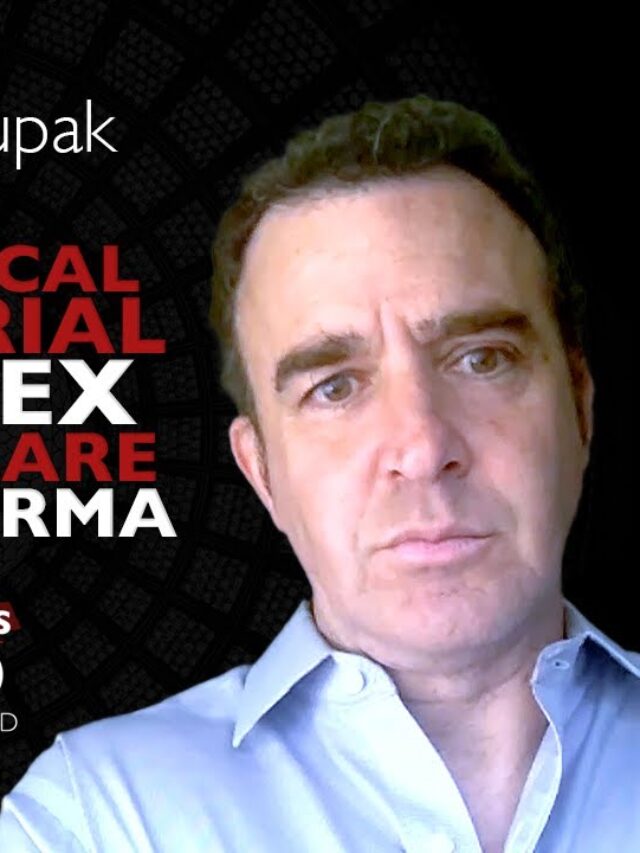
Dr. Randy Bock Interviews Dr. Howard Stupak
Editor's Note: This article summarizes and discusses viewpoints expressed during an interview between Dr. Randy Bock and Dr. Howard Stupak. Some topics involve ongoing scientific and public policy debates. Readers are encouraged to consult multiple evidence-based sources and healthcare professionals when making personal medical decisions.
The Medical Industrial Complex: Has Modern Healthcare Lost Its Way?
Medicine has always evolved. New discoveries, innovative treatments, vaccines, antibiotics, and surgical advances have dramatically increased life expectancy over the past century. These achievements deserve recognition and have saved millions of lives around the world.
However, an uncomfortable question has emerged in recent years:
Has modern healthcare shifted its focus away from patients and toward maintaining an increasingly complex medical system?
That question forms the foundation of an insightful conversation between Dr. Randy Bock and New York ENT surgeon Dr. Howard Stupak, who examine how healthcare has changed over the last several decades.
Rather than discussing individual diseases or treatments, they explore something much larger—the structure of modern medicine itself. Their discussion covers government influence, pharmaceutical incentives, public health policy, the opioid crisis, COVID-19, preventive care, and the growing tension between physician autonomy and institutional control.
Whether readers agree or disagree with every viewpoint presented, the interview raises important questions about transparency, incentives, and the future direction of healthcare.


What Is the Medical Industrial Complex?
One of the central ideas discussed throughout the interview is the concept of the Medical Industrial Complex.
The phrase builds upon President Dwight D. Eisenhower’s famous warning about the “Military Industrial Complex,” suggesting that powerful institutions can gradually develop incentives that prioritize their own growth over the public interest.
Healthcare has become one of the largest industries in the world. Hospitals, insurance companies, pharmaceutical manufacturers, government agencies, medical device companies, regulatory organizations, and professional associations all play essential roles.
Each organization serves an important purpose individually.
But together, they create a massive ecosystem with billions of dollars flowing through it every year.
Dr. Howard Stupak describes this system as something that continually expands.
Instead of simply solving health problems, it increasingly creates new markets, new specialties, new regulations, and additional layers of administration.
According to Dr. Stupak:
“Every time someone develops something that can become part of the standard of care, the system grows larger.”
His concern is not with innovation itself.
Innovation saves lives.
The concern arises when financial incentives begin influencing which innovations become widely adopted and whether every new intervention truly improves patient outcomes.
Medicine Has Achieved Incredible Success
Before criticizing today’s healthcare system, both physicians acknowledge that modern medicine has produced extraordinary accomplishments.
Among the greatest achievements discussed include:
- Clean drinking water dramatically reducing infectious disease
- Vaccination programs eliminating deadly childhood illnesses
- Antibiotics transforming bacterial infections
- Insulin therapy for Type 1 diabetes
- Chemotherapy improving cancer survival
- Advanced imaging technologies
- Safer anesthesia
- Modern emergency medicine
- Trauma surgery
- Organ transplantation
These breakthroughs fundamentally changed human health.
Diseases that once routinely killed millions have become treatable or preventable.
Average life expectancy has increased dramatically throughout developed nations because of these advances.
Neither physician argues against scientific progress.
Instead, they ask a different question:
What happens after medicine solves many of its biggest problems?
From Treating Disease to Managing Symptoms
Dr. Stupak believes healthcare has gradually shifted away from treating clearly identifiable diseases toward managing symptoms.
Earlier generations of medicine focused on conditions with obvious biological causes:
- Tuberculosis
- Cholera
- Smallpox
- Polio
- Severe bacterial infections
Doctors could identify the problem, provide treatment, and often observe measurable improvement.
Today, healthcare increasingly focuses on chronic illnesses and subjective symptoms such as:
- Chronic fatigue
- Persistent pain
- Mild inflammation
- Anxiety
- Sleep disturbances
- General discomfort
Many of these conditions are genuine and deserve careful evaluation.
However, Dr. Stupak argues that modern medicine sometimes responds by treating symptoms rather than investigating broader lifestyle factors that contribute to poor health.
These include:
- Physical inactivity
- Poor nutrition
- Obesity
- Chronic stress
- Sleep deprivation
- Social isolation
Instead of addressing these root causes, healthcare often emphasizes prescriptions, procedures, or long-term disease management.
Lifestyle Medicine vs. Pharmaceutical Medicine
A recurring theme throughout the interview is preventive health.
Dr. Stupak suggests that physicians should spend more time encouraging patients to improve the fundamentals of health:
- Exercise regularly
- Spend time outdoors
- Improve nutrition
- Maintain a healthy weight
- Sleep adequately
- Build stronger community relationships
These interventions often cost very little.
Yet they may produce substantial improvements across multiple chronic diseases.
The challenge, according to Dr. Stupak, is economic.
Healthy people generally require fewer medical interventions.
A healthcare system built around procedures, prescriptions, diagnostics, and chronic disease management naturally generates more revenue than one centered on prevention.
This creates what economists describe as misaligned incentives—situations where financial success does not always align perfectly with better health outcomes.
The Growth of the Healthcare Economy
Healthcare spending in the United States now exceeds $4 trillion annually, making it one of the largest sectors of the American economy.
That growth has brought remarkable innovation.
It has also increased bureaucracy.
Today’s healthcare ecosystem includes:
- Insurance providers
- Government reimbursement programs
- Pharmaceutical companies
- Medical device manufacturers
- Electronic health record vendors
- Regulatory agencies
- Hospital systems
- Accreditation organizations
- Professional licensing boards
Each layer performs legitimate functions.
However, every additional layer also increases administrative complexity.
Physicians now spend significant portions of their workday documenting compliance, meeting regulatory requirements, obtaining insurance authorizations, and following standardized protocols.
Many doctors report spending nearly as much time interacting with computers as they do interacting with patients.
This shift has become one of the defining frustrations of modern medical practice.
Is Standardization Always Better?
One of the most thought-provoking discussions in the interview concerns the concept of the Standard of Care.
Medical standards exist for good reason.
They help ensure patient safety.
They reduce harmful variation.
They promote evidence-based practice.
But Dr. Bock raises an important concern.
What happens when physicians become afraid to exercise independent clinical judgment?
During the conversation, he recalls how hospitals and regulators sometimes pressured physicians to follow protocols even when individual circumstances suggested another approach might be more appropriate.
Medicine has traditionally balanced two important principles:
- Scientific evidence
- Physician judgment
When either principle dominates completely, patient care can suffer.
Finding the right balance remains one of healthcare’s greatest challenges.
How COVID-19 Changed the Relationship Between Doctors, Patients, and Government
For many physicians, the COVID-19 pandemic was more than a public health emergency—it became a defining moment in modern medical history.
Throughout their discussion, Dr. Randy Bock and Dr. Howard Stupak argue that the pandemic exposed structural problems that had been developing within healthcare for decades. While previous controversies had largely remained confined to professional circles, COVID-19 brought these issues into public view.
The pandemic raised difficult questions that continue to influence medicine today:
- How much authority should governments have during public health emergencies?
- Should physicians always follow centralized guidelines?
- What role should independent medical judgment play during a crisis?
- Can scientific consensus evolve without suppressing debate?
These questions remain subjects of ongoing discussion within medicine, ethics, and public policy.
COVID-19 Pulled Back the Curtain
Dr. Stupak describes COVID-19 as a moment that “pulled back the curtain,” revealing how healthcare institutions operate behind the scenes.
Before the pandemic, many physicians accepted clinical guidelines with little public scrutiny. During COVID-19, however, treatment recommendations, masking policies, vaccine strategies, lockdowns, and school closures became topics of intense national debate.
For Dr. Stupak, this experience reinforced a belief that medicine had become increasingly centralized.
Rather than encouraging open scientific discussion, he argues that many healthcare systems emphasized uniform compliance with rapidly evolving policies.
Whether readers agree with this assessment or not, the pandemic undeniably highlighted the challenge of making decisions amid scientific uncertainty. Recommendations changed as new evidence emerged, creating confusion among both healthcare professionals and the public.
The experience demonstrated that medicine is not static—it continually adapts as knowledge evolves.
Physician Judgment Versus Institutional Protocols
One of the strongest themes throughout the interview is the importance of physician autonomy.
Historically, physicians have been trained to evaluate each patient individually by considering:
- Medical history
- Physical examination
- Diagnostic testing
- Current scientific evidence
- Clinical experience
- Patient preferences
Dr. Bock argues that this individualized approach is one of medicine’s greatest strengths.
However, he expresses concern that institutional protocols can sometimes reduce opportunities for independent clinical judgment.
During the pandemic, hospitals, licensing boards, insurers, and government agencies frequently issued standardized recommendations intended to provide consistency across healthcare systems.
Supporters viewed these guidelines as essential during an unprecedented emergency.
Critics argued that overly rigid protocols risked limiting physicians’ ability to tailor care to individual patients.
The interview reflects this broader debate about balancing consistency with clinical flexibility.
When Medicine Becomes Policy
A recurring concern raised by both physicians is the growing intersection between medicine and public policy.
Public health has always involved collaboration between healthcare professionals and government institutions. Vaccination campaigns, sanitation systems, food safety regulations, and infectious disease surveillance have all contributed to significant improvements in population health.
The discussion, however, focuses on what happens when healthcare decisions become closely tied to political processes.
According to Dr. Stupak, physicians traditionally serve as advocates for individual patients. Public officials, by contrast, are responsible for protecting entire populations.
These responsibilities can sometimes lead to different priorities.
For example:
- A public health authority may emphasize reducing disease transmission across millions of people.
- An individual physician may focus on the unique risks and circumstances facing a single patient.
The interview suggests that maintaining a healthy balance between these perspectives remains essential for effective healthcare.
The Expansion of Government Influence
Dr. Stupak repeatedly returns to the idea that healthcare has become increasingly influenced by government policy.
He argues that this trend extends beyond COVID-19 and reflects decades of expanding regulation.
Examples discussed include:
- Insurance reimbursement requirements
- Licensing regulations
- Treatment mandates
- Clinical documentation rules
- Quality reporting systems
- Standardized performance metrics
While many of these policies aim to improve safety and accountability, they also increase administrative complexity for physicians.
Numerous studies have found that doctors now spend substantial time completing electronic documentation, obtaining prior authorizations, and meeting compliance requirements.
This administrative burden has become one of the leading contributors to physician burnout.
What Is Crony Capitalism in Healthcare?
One of the interview’s central economic themes is crony capitalism.
Unlike a traditional free market—where consumers choose among competing products and services—crony capitalism describes situations in which government policies or regulatory structures provide advantages to selected industries or organizations.
Dr. Stupak argues that healthcare increasingly reflects this model.
He distinguishes between free-market innovation and systems in which certain products or treatments become widely adopted because of institutional incentives rather than direct patient demand.
According to this perspective, healthcare can gradually shift from competition based primarily on patient benefit toward competition influenced by regulation, reimbursement, and policy.
Whether or not readers share this viewpoint, the discussion highlights an important question:
How should innovation, regulation, and patient choice be balanced within modern healthcare?
Innovation Is Essential—But Incentives Matter
Neither physician criticizes innovation itself.
Medical breakthroughs have transformed countless lives.
The concern lies in the incentive structure surrounding innovation.
In healthcare, new technologies often involve:
- Regulatory approval
- Insurance reimbursement
- Professional guideline adoption
- Hospital purchasing decisions
- Government recommendations
Each step introduces additional stakeholders whose priorities may differ.
Dr. Stupak suggests that once a new intervention becomes embedded within the healthcare system, economic incentives may encourage its continued expansion.
This does not necessarily imply that the intervention lacks value.
Rather, it raises questions about how decisions are made and who ultimately benefits.
The Importance of Scientific Debate
Another recurring topic is the role of disagreement within science.
Science advances through questioning, testing, replication, and revision.
Many of history’s greatest medical breakthroughs emerged because researchers challenged prevailing assumptions.
Dr. Bock argues that physicians should retain the freedom to ask difficult questions—even when those questions challenge established thinking.
Healthy scientific debate, he suggests, strengthens medicine by encouraging continual evaluation of evidence.
At the same time, open discussion must remain grounded in rigorous data, ethical practice, and patient welfare.
Maintaining this balance is one of the defining responsibilities of both clinicians and researchers.
Patient Trust Depends on Transparency
Trust remains one of the most valuable assets in healthcare.
Patients rely on physicians to provide honest, evidence-based recommendations that prioritize their well-being.
That trust is strengthened when healthcare professionals:
- Clearly explain risks and benefits.
- Acknowledge uncertainty when evidence is evolving.
- Respect patient autonomy.
- Encourage informed decision-making.
- Communicate openly about potential conflicts of interest.
Dr. Stupak argues that rebuilding public confidence requires greater transparency throughout healthcare institutions.
Whether discussing treatment options, research findings, or public health recommendations, transparency helps patients make informed choices and supports stronger physician-patient relationships.
Lessons Beyond the Pandemic
Although much of the interview centers on COVID-19, both physicians view the pandemic as part of a broader conversation about the future of medicine.
Their discussion ultimately extends beyond any single disease.
Instead, it asks fundamental questions:
- Should healthcare systems prioritize prevention over treatment?
- How can physicians preserve independent clinical judgment?
- What role should government play in healthcare?
- How can innovation continue while maintaining patient-centered care?
- How should incentives be aligned to improve long-term health outcomes?
These questions have implications far beyond the events of 2020 and continue to shape discussions about healthcare reform today.
The Opioid Epidemic: When Good Intentions Created Unintended Consequences
Among the most compelling parts of Dr. Randy Bock’s discussion with Dr. Howard Stupak is their examination of the opioid epidemic—not simply as a pharmaceutical crisis, but as an example of how healthcare policy, government regulation, and institutional incentives can interact in unexpected ways.
Both physicians acknowledge that pain management is a legitimate and essential component of medicine. Patients recovering from surgery, traumatic injuries, or serious illnesses often require opioid medications for compassionate and effective treatment.
The interview, however, focuses on a broader question:
How did a healthcare system designed to relieve suffering become associated with one of the most significant public health crises in modern American history?
Dr. Bock argues that understanding this history requires looking beyond individual pharmaceutical companies and examining the policies, incentives, and institutional decisions that shaped medical practice over several decades.
Pain Became the “Fifth Vital Sign”
For much of the twentieth century, physicians carefully balanced the benefits and risks of prescribing opioid medications.
Beginning in the 1990s, however, pain management became a much larger focus throughout American healthcare.
Professional organizations, accrediting bodies, hospitals, and policymakers increasingly encouraged physicians to assess pain more aggressively.
The phrase “Pain is the Fifth Vital Sign” became widely adopted, placing pain alongside traditional clinical measurements such as:
- Temperature
- Blood pressure
- Pulse
- Respiratory rate
The intention behind this movement was understandable.
Millions of patients were believed to be suffering from undertreated pain.
Encouraging physicians to recognize and address pain appeared compassionate and patient-centered.
Yet, according to Dr. Bock, the practical consequences proved far more complicated.
Hospitals, healthcare systems, and physicians increasingly faced expectations to treat pain aggressively, often with opioid medications.
Over time, these incentives contributed to higher prescribing rates across the United States.
The Role of Institutional Incentives
A central theme throughout the interview is that healthcare outcomes are shaped not only by individual physicians but also by the systems within which they practice.
Dr. Bock recalls his own residency experience in California, where physicians often felt significant institutional pressure regarding opioid prescribing.
He describes an environment in which clinicians could face criticism—or perceive professional risk—if patients’ pain was not managed according to prevailing standards.
This highlights an important reality of modern healthcare.
Clinical decisions rarely occur in isolation.
They are influenced by:
- Hospital policies
- Professional guidelines
- Insurance reimbursement
- Regulatory expectations
- Patient satisfaction metrics
- Medical board oversight
When multiple incentives point in the same direction, even well-intentioned physicians may feel limited in exercising independent judgment.
Looking Beyond Individual Companies
Public discussions about the opioid epidemic frequently focus on pharmaceutical manufacturers, particularly Purdue Pharma and the Sackler family.
Dr. Bock does not dismiss their influence.
However, he argues that concentrating exclusively on one company risks overlooking broader systemic issues.
According to his perspective, the opioid crisis emerged from a combination of factors that included:
- Expanding pain management initiatives
- Professional guideline changes
- Pharmaceutical marketing
- Insurance reimbursement policies
- Hospital quality metrics
- Government regulations
- Clinical culture
Viewed this way, the epidemic was not simply the result of one organization’s actions but of multiple institutions operating within a healthcare system that rewarded increased treatment intensity.
This systems-based perspective encourages policymakers to examine how incentives interact across the entire healthcare landscape.
The Medicalization of Addiction
One of Dr. Bock’s most distinctive arguments concerns what he calls the medicalization of addiction.
Historically, addiction has been understood through many different frameworks, including:
- Criminal justice
- Psychology
- Psychiatry
- Sociology
- Public health
- Medicine
Modern healthcare increasingly treats addiction as a chronic medical condition requiring ongoing management.
Many addiction specialists support this model, noting that medications can reduce overdose risk and improve long-term outcomes for some patients.
Dr. Bock acknowledges these goals but questions whether expanding medical management should become the dominant response to substance use disorders.
Instead, he encourages a broader discussion that includes:
- Family stability
- Personal responsibility
- Community support
- Employment opportunities
- Education
- Mental health
- Social connectedness
His concern is that focusing primarily on medication may unintentionally minimize these equally important aspects of recovery.
The “Methadone Industrial Complex”
One of Dr. Bock’s long-standing areas of research involves methadone maintenance programs.
He has previously described what he calls the “Methadone Industrial Complex,” arguing that long-term opioid replacement therapy created an expanding treatment infrastructure that warrants careful evaluation.
It is important to recognize that this viewpoint remains controversial.
Many addiction medicine specialists consider medications such as methadone and buprenorphine to be evidence-based treatments that reduce overdose deaths and improve patient outcomes when appropriately managed.
Dr. Bock, however, raises broader policy questions.
He asks whether healthcare systems should place greater emphasis on helping patients ultimately achieve drug-free recovery whenever possible, rather than assuming indefinite maintenance will always represent the preferred goal.
This debate reflects one of the central tensions within addiction medicine:
Should treatment primarily focus on harm reduction, complete abstinence, or individualized combinations of both approaches?
The interview encourages readers to consider these questions while recognizing that different patients may benefit from different strategies.
Harm Reduction Versus Recovery
Modern addiction treatment increasingly incorporates harm reduction principles.
These approaches seek to reduce the negative consequences of substance use even when complete abstinence is not immediately achievable.
Examples include:
- Naloxone distribution
- Needle exchange programs
- Medication-assisted treatment
- Overdose prevention education
Supporters argue these interventions save lives and create opportunities for future recovery.
Dr. Bock agrees that preventing overdose is critically important.
However, he cautions against allowing harm reduction to become the endpoint rather than a bridge toward long-term recovery.
From his perspective, healthcare should continue encouraging patients to pursue healthier, more independent lives whenever possible.
Public Policy Can Shape Medical Practice
Throughout the interview, both physicians emphasize that healthcare policy has enormous influence over clinical behavior.
When governments, insurers, licensing boards, and professional organizations adopt specific priorities, those priorities often become embedded within everyday medical practice.
This reality is neither inherently positive nor inherently negative.
Policies have successfully improved numerous aspects of healthcare, including:
- Infection control
- Surgical safety
- Vaccination programs
- Emergency preparedness
- Quality measurement
Yet policies can also produce unintended consequences if they rely on incomplete evidence or fail to anticipate how incentives affect behavior.
The opioid epidemic illustrates why continuous evaluation remains essential.
Healthcare policies should evolve as new evidence emerges rather than becoming permanently fixed.
The Importance of Independent Thinking
One lesson Dr. Bock draws from the opioid crisis is the value of maintaining independent clinical judgment.
Medicine advances because physicians continually evaluate evidence, question assumptions, and adapt to new information.
Many accepted medical practices have changed dramatically over time.
Examples include:
- Routine bloodletting
- Radical surgical procedures
- Hormone replacement recommendations
- Peptic ulcer treatment before the discovery of Helicobacter pylori
- Approaches to infectious disease management
Scientific progress depends upon physicians remaining willing to ask difficult questions.
At the same time, responsible skepticism requires careful analysis of high-quality evidence rather than rejection of scientific consensus without sufficient support.
Finding this balance remains one of the defining responsibilities of modern medicine.
Healthcare Is More Than Prescriptions
A recurring message throughout the interview is that lasting health cannot be achieved through medications alone.
Dr. Stupak repeatedly returns to the importance of addressing the broader determinants of health, including:
- Nutrition
- Physical activity
- Sleep
- Family support
- Stable communities
- Meaningful work
- Personal responsibility
- Preventive healthcare
These factors often influence long-term health outcomes as much as, or even more than, medical interventions themselves.
The physicians suggest that healthcare systems should continue investing in disease treatment while placing greater emphasis on helping people remain healthy before illness develops.
This shift—from reactive medicine to proactive health—may represent one of the most important opportunities for improving future healthcare.
Rebuilding Medicine — A Path Toward Patient-Centered Healthcare
After examining the challenges facing modern healthcare—from the growth of the Medical Industrial Complex to the opioid epidemic and the lessons learned during COVID-19—Dr. Randy Bock and Dr. Howard Stupak turn their attention toward an equally important question:
How can medicine move forward?
Rather than proposing a single sweeping reform, both physicians advocate for a return to the foundational principles that have historically defined good medical practice: individual physician judgment, informed patient choice, preventive healthcare, transparency, and personal responsibility.
Their message is not that modern medicine should reject technology or scientific advancement. Instead, they argue that innovation should serve patients—not institutions.
Restoring the Doctor–Patient Relationship
One of the strongest themes throughout the interview is that healthcare works best when physicians and patients make decisions together.
For generations, medicine revolved around a simple relationship:
A patient sought help.
A physician listened.
Together, they evaluated options based on evidence, experience, and the patient’s unique circumstances.
Today, that relationship often includes numerous additional stakeholders:
- Insurance companies
- Hospital administrators
- Government agencies
- Electronic medical record requirements
- Clinical practice guidelines
- Quality reporting systems
- Regulatory boards
While each organization serves an important purpose, Dr. Bock believes the cumulative effect can sometimes distance physicians from the very people they are trying to help.
He argues that restoring trust begins by returning the patient—not the healthcare system—to the center of every clinical decision.
Every Patient Is Different
One reason medicine is both challenging and rewarding is that no two patients are exactly alike.
Two individuals may receive the same diagnosis yet require entirely different treatment plans because of differences in:
- Age
- Medical history
- Lifestyle
- Family support
- Risk factors
- Personal values
- Treatment goals
Clinical guidelines provide valuable frameworks.
However, Dr. Stupak emphasizes that guidelines should remain guides—not inflexible rules.
Experienced physicians must retain the ability to adapt recommendations when individual circumstances warrant a different approach.
This flexibility has long been considered one of the defining characteristics of high-quality medical care.
Prevention Should Become Healthcare’s Primary Goal
Perhaps the most consistent message throughout the interview is the importance of prevention.
Modern healthcare excels at treating advanced disease.
Yet many of today’s most common chronic illnesses are influenced by everyday lifestyle choices.
These include:
- Obesity
- Type 2 diabetes
- Cardiovascular disease
- Hypertension
- Sleep apnea
- Fatty liver disease
- Many forms of chronic inflammation
Dr. Stupak argues that physicians should spend more time helping patients avoid these conditions before they develop.
Preventive medicine extends far beyond annual checkups.
It includes encouraging healthier habits every day.
Examples include:
- Eating nutrient-dense whole foods.
- Maintaining a healthy body weight.
- Exercising regularly.
- Spending time outdoors.
- Prioritizing quality sleep.
- Managing stress.
- Building strong family and community relationships.
- Avoiding tobacco and substance misuse.
These interventions often cost very little compared with lifelong treatment for chronic disease.
A Healthcare System That Rewards Wellness
An important concern raised during the discussion involves financial incentives.
Today’s healthcare economy largely rewards activity.
Hospitals receive reimbursement for procedures.
Clinics are compensated for office visits.
Manufacturers generate revenue by selling medications and medical devices.
Diagnostic testing drives additional healthcare spending.
Preventive care, however, often generates fewer immediate financial returns despite producing substantial long-term health benefits.
This creates what health economists describe as misaligned incentives.
Dr. Bock argues that a healthier society may require a system that rewards keeping people well—not simply treating them after illness develops.
Such an approach could encourage greater investment in:
- Nutrition education
- Exercise programs
- Community health initiatives
- Smoking cessation
- Addiction prevention
- Early intervention
- Mental health support
The goal would be a healthcare system measured not only by how effectively it treats disease but also by how successfully it prevents it.
Medical Freedom and Informed Consent
Another major topic explored in the interview is informed consent.
Modern medical ethics rests upon several core principles:
- Respect for patient autonomy
- Beneficence
- Non-maleficence
- Justice
Among these, informed consent occupies a central role.
Patients should understand:
- The benefits of treatment.
- Potential risks.
- Available alternatives.
- The uncertainty that sometimes accompanies medical decisions.
Only then can they make decisions consistent with their own values.
Dr. Stupak expresses concern that during periods of crisis, healthcare systems may unintentionally emphasize compliance over discussion.
He argues that preserving open communication between physicians and patients remains essential—even when recommendations evolve rapidly.
Whether discussing surgery, medication, or preventive interventions, informed consent strengthens both trust and shared decision-making.
Encouraging Scientific Curiosity
Throughout history, medicine has advanced because physicians questioned accepted ideas.
Many groundbreaking discoveries initially challenged prevailing medical opinion.
Examples include:
- Handwashing reducing surgical infections.
- Germ theory replacing older explanations for disease.
- The discovery that Helicobacter pylori contributes to stomach ulcers.
- Advances in minimally invasive surgery.
- Organ transplantation.
- Precision medicine.
Scientific progress depends upon continuous inquiry.
Dr. Bock believes physicians should feel comfortable asking difficult questions without automatically being viewed as opposing science itself.
Healthy scientific debate encourages:
- Better research.
- Improved clinical trials.
- Stronger evidence.
- More effective patient care.
Science evolves through evidence—not through unquestioned certainty.
Healthcare Should Empower Patients
A recurring philosophy throughout the conversation is personal empowerment.
Rather than viewing patients as passive recipients of healthcare, both physicians encourage individuals to become active participants in their own well-being.
Patients can improve their health by:
- Learning about their conditions.
- Asking thoughtful questions.
- Understanding treatment options.
- Seeking second opinions when appropriate.
- Building long-term relationships with trusted physicians.
- Taking responsibility for daily health habits.
Medicine functions most effectively when patients and physicians work together as partners rather than as authority figures and passive recipients.
Can Healthcare Operate More Like a True Marketplace?
One of Dr. Bock’s broader observations concerns economic structure.
He suggests that many sectors of everyday life function through consumer choice.
People compare:
- Homes
- Automobiles
- Clothing
- Technology
- Financial services
Competition often encourages better quality and innovation.
Healthcare, however, frequently operates differently.
Insurance systems, government reimbursement programs, licensing regulations, and institutional policies create layers of complexity that may limit direct competition.
Dr. Bock argues that expanding transparency—including clearer pricing and greater patient choice—could strengthen accountability while preserving high standards of care.
Although healthcare differs from traditional consumer markets in important ways, increasing transparency may help patients make more informed decisions.
A Culture of Responsibility
Throughout the interview, both physicians repeatedly return to one principle:
Health begins long before someone enters a doctor’s office.
Physicians can diagnose disease.
Hospitals can perform surgery.
Medications can manage illness.
But lasting health also depends upon individual choices made every day.
These include:
- Choosing nutritious food.
- Remaining physically active.
- Avoiding harmful substances.
- Maintaining healthy relationships.
- Getting adequate sleep.
- Managing stress.
- Seeking medical advice when needed.
Healthcare systems play a critical role, but they cannot replace personal responsibility.
According to Dr. Stupak, empowering individuals to care for themselves may ultimately represent one of medicine’s most effective interventions.
Looking Toward the Future
Despite their criticisms of modern healthcare, neither Dr. Randy Bock nor Dr. Howard Stupak expresses pessimism about the future.
Instead, both believe meaningful reform is possible.
Their vision includes:
- Stronger physician-patient relationships.
- Greater transparency.
- More preventive medicine.
- Respect for informed consent.
- Independent scientific inquiry.
- Patient-centered decision-making.
- Incentive structures that reward health rather than illness.
Whether readers agree with every conclusion or not, the interview encourages thoughtful discussion about how healthcare can continue improving while preserving the principles that have guided medicine for generations.
Ultimately, both physicians argue that medicine achieves its highest purpose not when it becomes larger, but when it becomes more responsive to the needs of individual patients.
Conclusion, Key Takeaways
Key Takeaways from Dr. Randy Bock and Dr. Howard Stupak’s Discussion
The conversation between Dr. Randy Bock and Dr. Howard Stupak is ultimately about more than healthcare policy—it is about preserving the integrity of medicine.
Throughout the interview, several recurring themes emerge:
1. Healthcare Should Always Be Patient-Centered
Modern medicine exists to serve patients, not institutions.
Every policy, guideline, technology, and innovation should ultimately improve patient outcomes rather than simply expanding healthcare systems.
2. Prevention Is Better Than Treatment
Many chronic illnesses can be reduced through healthier lifestyles.
The physicians repeatedly emphasize:
- Better nutrition
- Regular exercise
- Healthy body weight
- Quality sleep
- Strong families
- Community engagement
- Stress management
Preventive medicine may not generate headlines, but it often produces the greatest long-term health benefits.
3. Independent Clinical Judgment Matters
Clinical guidelines remain valuable.
However, physicians must retain the ability to evaluate individual patients rather than treating everyone identically.
Medicine combines science with professional judgment.
Both are essential.
4. Incentives Shape Healthcare
The interview repeatedly returns to a simple economic principle:
People respond to incentives.
Whether those incentives involve insurance reimbursement, government regulation, pharmaceutical development, or hospital administration, they inevitably influence medical decision-making.
Recognizing these incentives helps improve healthcare policy.
5. Scientific Debate Should Continue
Science advances by asking difficult questions.
Open discussion, transparent research, and respectful disagreement strengthen medicine rather than weaken it.
Regardless of one’s perspective on specific healthcare policies, maintaining an environment where evidence can continually be evaluated benefits both physicians and patients.
Final Thoughts
Healthcare has never been more technologically advanced.
Artificial intelligence, robotic surgery, genetic medicine, precision diagnostics, and innovative pharmaceuticals continue transforming patient care.
Yet technological progress alone cannot solve every healthcare challenge.
As Dr. Randy Bock and Dr. Howard Stupak discuss throughout this interview, medicine also depends upon trust.
Patients trust physicians.
Physicians trust scientific evidence.
Society trusts healthcare institutions.
Maintaining that trust requires transparency, accountability, ethical leadership, and an unwavering commitment to putting patients first.
The future of healthcare will likely involve balancing two equally important goals:
- Continuing scientific innovation.
- Preserving individualized, compassionate, patient-centered medicine.
Whether readers agree with every opinion presented during this discussion or not, the interview encourages thoughtful reflection on how modern healthcare can continue evolving while remaining faithful to its original purpose—helping people live healthier lives.
Frequently Asked Questions (FAQ)
What is the Medical Industrial Complex?
The term “Medical Industrial Complex” describes the interconnected relationship between hospitals, pharmaceutical companies, insurers, medical device manufacturers, regulators, and government institutions. Critics argue that financial and institutional incentives can sometimes influence healthcare delivery alongside patient care.
Why do some physicians criticize the Medical Industrial Complex?
Some physicians believe healthcare has become increasingly influenced by bureaucracy, financial incentives, and regulatory structures that may occasionally conflict with individualized patient care. Others argue these systems improve safety, standardization, and access. The debate centers on balancing efficiency with physician autonomy and patient choice.
What does preventive medicine involve?
Preventive medicine focuses on reducing disease before it develops through lifestyle changes, vaccinations, screenings, nutrition, physical activity, stress reduction, and other health-promoting interventions.
How did COVID-19 change healthcare?
The COVID-19 pandemic accelerated discussions about public health policy, physician autonomy, emergency preparedness, scientific communication, and the relationship between government guidance and individualized medical care.
What is meant by physician autonomy?
Physician autonomy refers to a doctor’s ability to apply professional judgment when treating individual patients while considering scientific evidence, clinical guidelines, and each patient’s unique circumstances.
Why is informed consent important?
Informed consent ensures patients understand the potential risks, benefits, and alternatives of medical treatments so they can make decisions consistent with their own values and preferences.
Find Dr. Randall Bock’s articles at Brownstone:

Get Dr. Randall Bock’s Book “Overturning Zika: The Pandemic That Never Was”

Discover more from Randy Bock MD PC
Subscribe to get the latest posts sent to your email.