

Subscribe: Apple Podcasts | Spotify | Podcast Index | RSS
Stanton Peele began thinking about addiction when he was five years old. A man on his South Philadelphia block came home drunk each night and could no longer control himself. Peele wanted to know why an adult would give up command of his own life. That question guided his work for more than fifty years.
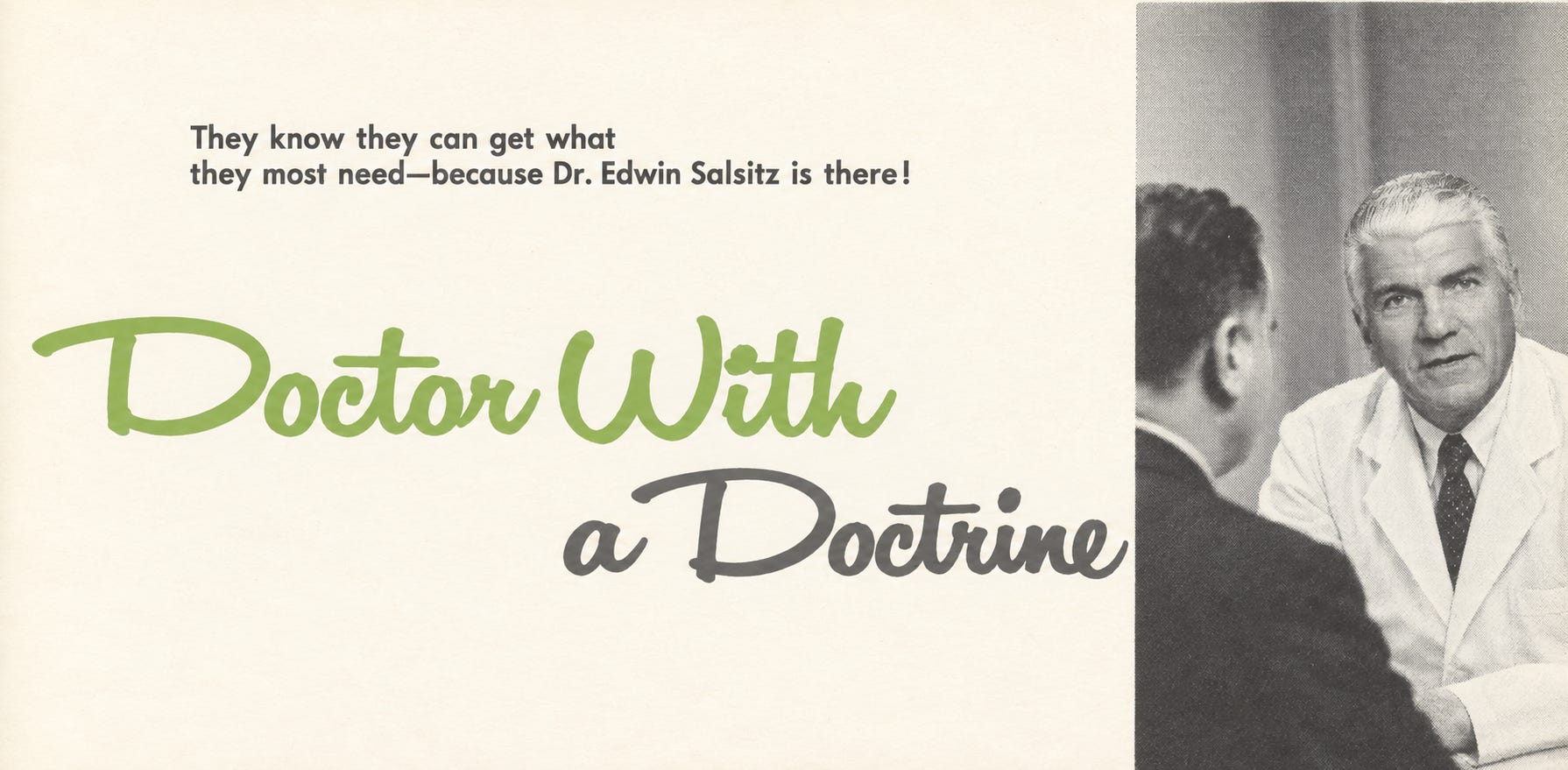
Peele later found support in the work of sociologist Charles Winick. Winick’s study “Maturing Out of Narcotic Addiction” showed that many young narcotic users stopped as they moved into adult life. His separate paper, “Physician Narcotic Addicts,” compared doctors who misused narcotics with street users. Most doctors stopped when their licenses, families, incomes, and reputations were at risk. The street users often had much less to lose and fewer chances to build a different life.
Peele states the lesson plainly: “If people had something to lose, or alternatively, if they had something to gain from giving up their narcotic habit, they’ll do that.” He makes the same point by asking former addicts about smoking. They often call cigarettes the hardest addiction to quit, yet most stop without rehab. They quit after a heart attack, pneumonia, pregnancy, marriage, or the birth of a child. Peele calls these “the stupid reasons of life.” They are not stupid at all. They are the ordinary reasons people change.
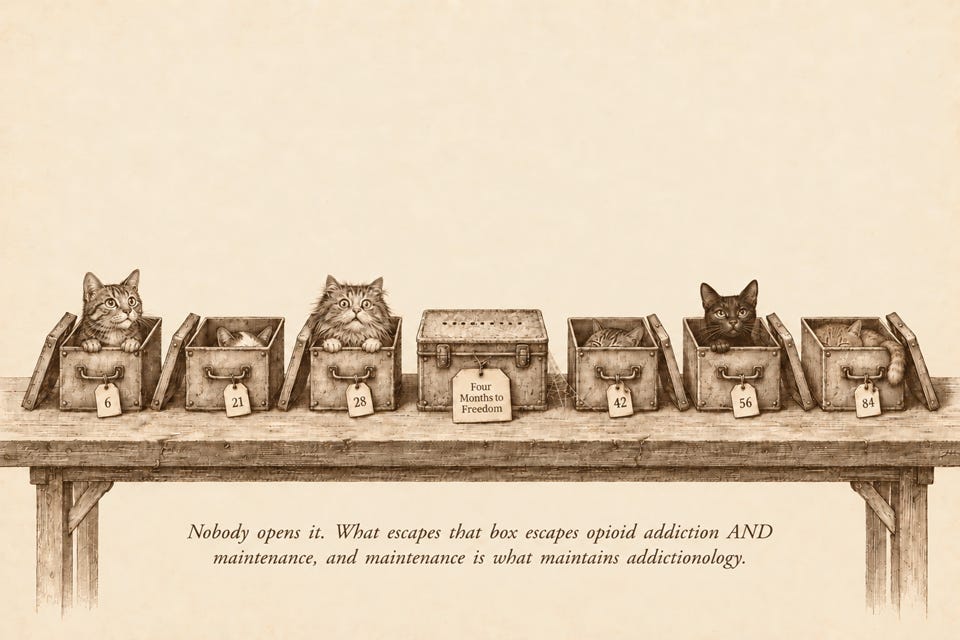
His Life Process Program builds on work, family, purpose, skill, and responsibility. My own treatment of opioid dependence followed a similar path. I used buprenorphine as a bridge toward sobriety, not as a lifelong destination. A four-month taper gave patients time to adjust without turning treatment into permanent maintenance. Pregnancy could provide a strong reason to become drug-free. Peele described the physician’s role as “fanning the flames of natural recovery.”
The work of psychiatrist and epidemiologist Lee N. Robins supplied another major example. Many American soldiers used heroin in Vietnam, and some became dependent. Her follow-up study found that very few remained dependent after returning home. The drug had not changed, but almost everything around the soldiers had changed. They came home to families, jobs, duties, and a different future. They got back on the treadmill of life.
This evidence conflicts with the modern brain disease model promoted by National Institute on Drug Abuse director Nora Volkow. Her research uses brain imaging to show differences linked to repeated drug use. The images may be real, but Peele questions what they prove. The brain changes during every strong human experience. It changes when people fall in love, learn a skill, suffer grief, or recover from an injury. A changed brain does not prove that a person has lost the power to change his life.
Peele makes the claim’s weakness funny. “How many people in the world are diagnosed for addiction by brain scans, would you guess? Zero. Nobody.” A clinician does not order an MRI to decide whether someone is addicted. The clinician asks whether the person can work, care for children, keep promises, maintain relationships, and control their conduct. Addiction is recognized through behavior and consequences. No pathologist can find it as a spot in the brain during an autopsy.
Peele has challenged Volkow directly in “Why We Need to Stop Nora Volkow From Taking Over the World.” He argues that the disease label can become a message of helplessness. It may tell patients that their brains control them and that medicine must manage them forever. Former National Institute of Mental Health director Thomas Insel later admitted that billions spent on brain science had produced research, but had not greatly improved suicide, hospitalization, or recovery. Peele’s response is blunt: “In any other line of work, you would get fired.”
Peele does not claim that drugs, biology, or trauma mean nothing. He rejects being treated as destiny. He also challenges Gabor Maté’s claim that addiction always begins in childhood trauma. In “My Traumatic Breakfast With Gabor Maté,” Peele shows how a theory can become impossible to disprove. A person who remembers trauma confirms the theory; a person who denies it can be told that he has buried the memory.
Peele’s central claim is harder and more hopeful. Addiction grows inside a life. It can weaken when that life gains purpose, connection, responsibility, and better choices. Medicine can help, but it should not teach people that they are powerless. As Peele says, “The question is not whether people will use psychoactive substances, but in what fashion they’ll use them and how they’ll be integrated constructively or destructively in their lives.”
Discover more from Randy Bock MD PC
Subscribe to get the latest posts sent to your email.