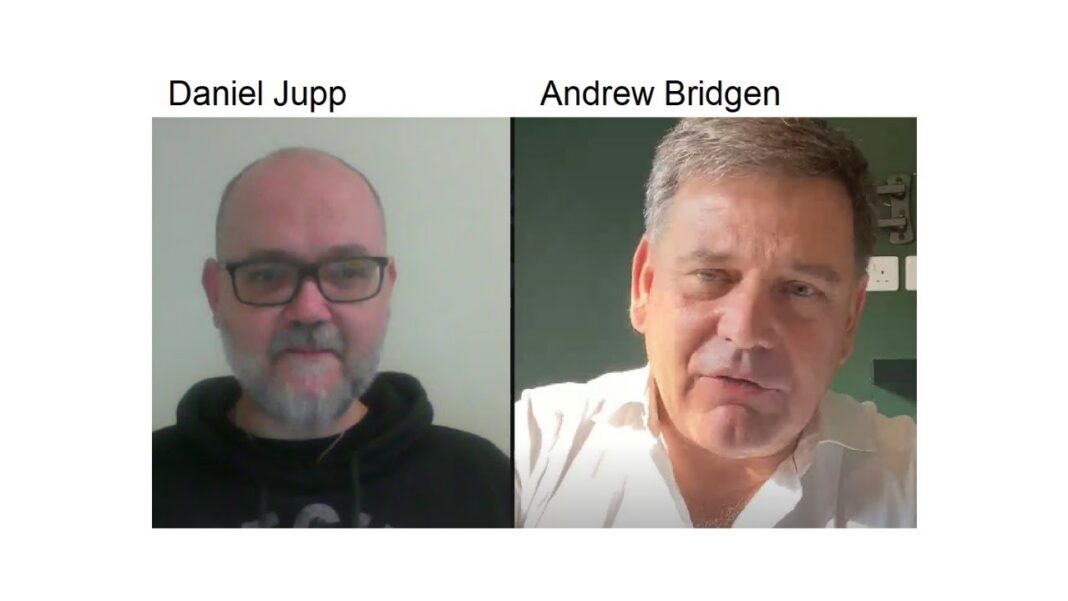



In today’s world, figuring out what to believe has become increasingly difficult. Arnold Kling, an economist and thinker, has spent much of his time analyzing how people form their beliefs and the obstacles that prevent them from seeking the truth. His work uncovers two major issues: over-censoring dissenting views from the elite consensus and under-censoring conspiracy theories. In his view, these dynamics create a crisis of truth, amplified by tribalism and failing institutions.
Table of contents
The Two Major Errors in Belief Formation
Kling highlights two primary mistakes people make when deciding what to believe. First, there’s the tendency to over-censor dissenting views, especially those that challenge the dominant narrative upheld by elites. This kind of censorship stifles debate, making it harder to question assumptions and engage in meaningful discourse. On the flip side, under-censoring conspiracy theories allows misinformation to proliferate unchecked. When both errors exist simultaneously, the result is a confused public, unable to distinguish fact from fiction.
The Role of Tribalism in Shaping Beliefs
At the heart of this crisis is tribalism—the tendency for people to align themselves with groups that share similar beliefs and values. According to Kling, “people aren’t trying to change minds; they’re trying to close the minds of their own tribe.” Instead of fostering healthy debate, tribalism encourages people to dig into their ideological positions and shut out opposing viewpoints.
In today’s society, social media platforms act as the main battleground for tribalism. Algorithms tailor content to individual users, reinforcing existing beliefs and amplifying echo chambers. Instead of opening up people to new ideas, these platforms often deepen the divide between different groups.
TikTok and Global Manipulation
One platform that perfectly illustrates this manipulation is TikTok. Kling points out a striking difference between how the app operates in China versus how it’s used in the West. In China, TikTok promotes educational content, encouraging users to better themselves. But in Western countries, the app pushes more frivolous and often harmful content, a phenomenon some see as part of a broader strategy to weaken society. As Kling remarked, “It’s a long-term play, not just election interference.” The danger here lies not just in short-term manipulation but in shaping a society’s future by controlling its cultural narratives.
Institutions: From Marketplaces of Ideas to Echo Chambers
Kling is particularly critical of institutions like the media and academia. These institutions, originally designed to serve as marketplaces of ideas, have become compromised. Instead of promoting a diversity of thought, Kling argues that they have become echo chambers where progressive ideas dominate, often at the expense of conservative viewpoints.
He notes that in an ideal world, ideas would compete on a level playing field. But today, many ideas that would otherwise fail in a fair contest are propped up because they align with the prevailing orthodoxy.
The Financial Crisis: Regulation and Corruption
When the conversation turns to the 2008 financial crisis, Kling sheds light on how regulations intended to safeguard the economy were manipulated by financial institutions. “Regulation often invites corruption,” he explains, pointing out that institutions exploited these rules to turn a profit while offloading the risks onto the public.
Kling also critiques Obama’s economic response to the crisis, which relied heavily on printing more money. While this approach temporarily stabilized the economy, it didn’t address the underlying issue: a financial system structured to socialize losses while privatizing gains.
Education Reform: The Outdated College Model
One area where Kling sees a pressing need for reform is higher education. He argues that the traditional four-year college model is outdated and out of step with today’s realities. Instead of degrees, Kling envisions a system where mentorship takes center stage, with students learning independently and meeting mentors for occasional in-person gatherings. In his view, the relationships formed in such a system are far more valuable than the degrees earned.
K-12 Education and the Feminization of Schools
Kling’s critiques extend to K-12 education, which he believes stifles boys’ natural competitive instincts. “Boys are wired for competition,” he says, “but they’re turned into zombies by a system that’s too focused on consensus-building.” Boys who don’t fit into the system are often labeled disruptive and medicated instead of being allowed to express their competitive nature.
The Ideological Divide Between Democrats and Republicans
The growing divide between Democrats and Republicans in the U.S. can be traced back to their differing views on consensus and competition. Democrats tend to be more consensus-driven, focusing on bringing people together, while Republicans emphasize competition. This ideological divide is further fueled by tribalism, as both parties try to reinforce their narratives within their own camps.
Foreign Policy: Idealists vs. Realists
Kling also applies his analysis to foreign policy, dividing people into two camps: idealists and realists. Idealists see conflicts like the Ukraine war as moral crusades, while realists focus on national interests. Both camps have legitimate reasons for their positions, but those advocating for less involvement often find themselves marginalized.
The Decline of Trust in Institutions
One of Kling’s key concerns is the decline of trust in institutions. Whether it’s the media, academia, or government, these institutions must rebuild their credibility by becoming more transparent and fair in their handling of information. Kling believes that until institutions return to being fair arbiters of truth, the crisis of truth will continue.
The Self-Perpetuating System
Despite the dysfunction in many of these systems, Kling observes that they often resist change. “The system perpetuates itself, even when it’s no longer working,” he says. This self-preservation instinct prevents meaningful reform, allowing the problems to fester unchecked.
Libertarianism and Its Marginalization
Libertarian perspectives, which emphasize liberty over coercion, often go unheard in today’s debates. Kling believes that these ideas could offer a solution to many of the issues plaguing society, but they are frequently marginalized in favor of more mainstream perspectives.
Conclusion
Arnold Kling’s insights paint a troubling picture of the current state of truth in society. From tribalism to compromised institutions, the forces obstructing truth-seeking are numerous and complex. However, Kling remains hopeful that by restoring trust in institutions and fostering open competition of ideas, we can overcome these challenges and rebuild a society where the truth matters.
FAQs
What is Arnold Kling’s main concern about belief formation?
Kling’s main concern is the combination of over-censoring dissent and under-censoring conspiracy theories, which creates a crisis of truth.
How does tribalism affect the search for truth?
Tribalism encourages people to align with groups and shut out opposing views, hindering open-minded truth-seeking.
What changes does Arnold Kling suggest for education reform?
Kling suggests replacing the outdated four-year college model with a mentorship-based system focused on relationships rather than degrees.
How does Kling view the current political divide in the U.S.?
He sees it as a clash between consensus-driven Democrats and competition-driven Republicans, further deepened by tribalism.
What can be done to rebuild trust in institutions?
According to Kling, institutions must become more transparent and return to their role as fair marketplaces of ideas.
Discover more from Randy Bock MD PC
Subscribe to get the latest posts sent to your email.